
Vegetables you can grow at home can give you fresh, healthy food while making gardening simple and rewarding. You don’t need a large backyard because many vegetables grow well in containers, raised beds, patios, and other small spaces. With healthy soil, enough sunlight, and proper watering, even beginners can enjoy a successful harvest. Choosing the right vegetables for each season can also keep your garden productive for much more of the year.
From leafy lettuce and spinach to tomatoes, carrots, peppers, and cucumbers, there are plenty of delicious vegetables you can grow yourself. In this guide, you’ll discover 15 vegetables you can grow at home, along with practical planting, watering, harvesting, and seasonal growing tips. You’ll also learn how to use limited space wisely and keep fresh produce coming for longer. Start with a few easy crops, and your home garden can soon become a rewarding source of fresh food.
Best Vegetables to Grow at Home for a Fresh Harvest
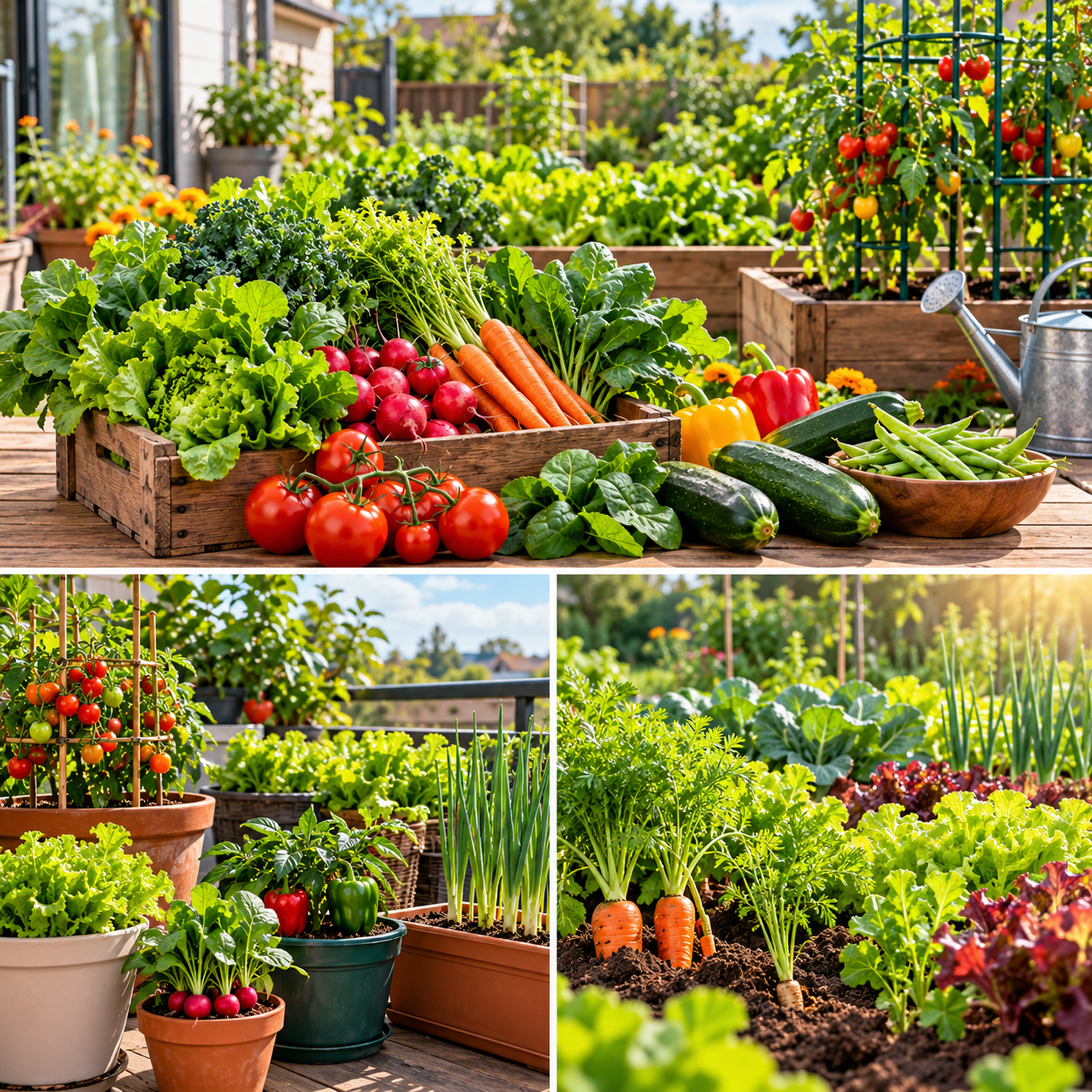
Growing your own vegetables puts fresh produce within easy reach while helping you make better use of the space you already have. A productive home vegetable garden does not require a large backyard, either. With the right crops, you can grow vegetables in raised beds, containers, patio pots, or a small sunny corner. More importantly, growing at home gives you greater control over when you plant, how you care for your crops, and when you pick them for a fresh harvest.
The best vegetables to grow at home are usually those suited to your local climate, available sunlight, space, and growing season. Before planting, consider how quickly a crop matures and how much it can produce. Lettuce, spinach, radishes, carrots, and green onions are useful choices for gardeners who want relatively quick harvests. Tomatoes, peppers, cucumbers, and beans generally need more time and suitable warmth, but healthy plants can provide repeated harvests during their productive season.
For a longer supply of homegrown food, try combining fast-growing crops with vegetables that keep producing after the first picking. Cool-season vegetables can fill the garden during milder months, while warm-season crops can take over when temperatures rise. Succession planting—sowing small amounts at planned intervals—can also help prevent everything from becoming ready at once and extend your harvest.
Even a small patio can produce useful fresh food when space is planned carefully. Choose compact varieties for containers, use vertical supports for climbing crops, and place sun-loving vegetables where they receive enough direct light. If you’re unsure where to begin, leafy greens are among the easiest and most productive crops to add to your home garden.
Leafy Greens You Can Grow and Harvest Again and Again

Leafy greens are some of the easiest and most rewarding vegetables to grow at home, especially when garden space is limited. Many grow quickly in beds or containers, and careful harvesting can encourage plants to produce fresh leaves several times. With the right varieties and planting schedule, these nutritious crops can provide a fresh harvest across much of the growing season.
Lettuce
Lettuce is an excellent choice for beginners because it grows quickly and needs relatively little space. It prefers fertile, well-drained soil, consistent moisture, and full sun during cool weather, although afternoon shade can help when temperatures rise. Sow seeds shallowly and thin leaf lettuce plants to roughly 4–8 inches apart, depending on the variety.
Instead of removing the entire plant, harvest the larger outer leaves and leave the center growing point intact. This cut-and-come-again approach can provide several harvests. Hot weather can cause lettuce to bolt and become bitter, so use shade during warm periods and make small successive sowings for a longer harvest.
Spinach
Spinach is a nutritious, fast-growing leafy green that performs especially well in cool conditions. Plant it in rich, well-drained soil with steady moisture and full sun to partial shade. Seeds can generally be sown about half an inch deep, with plants eventually spaced around 3–6 inches apart.
Harvest larger outer leaves once they reach a useful size while allowing the younger center leaves to continue growing. Spinach can bolt quickly when days become hot and long. Planting early, choosing heat-tolerant varieties, and providing afternoon shade can extend production.
Kale
Kale is a productive addition to a home vegetable garden because established plants can provide leaves over a long period. It prefers fertile, well-drained soil, regular watering, and full sun, although it can tolerate some partial shade. Space plants roughly 12–18 inches apart so they have room to mature.
Pick the lowest, older leaves first and leave the central growing point untouched. New leaves will continue developing from the center. Caterpillars and other leaf-eating pests can damage kale, so inspect the undersides of leaves regularly and use suitable physical barriers such as insect netting when needed.
Swiss Chard
Swiss chard combines attractive stems with a long harvesting period and grows well in beds and large containers. Give it fertile, well-drained soil, consistent moisture, and full sun or partial shade. Plants usually perform well when spaced around 8–12 inches apart.
Harvest mature outer stalks near their base while leaving the smaller inner leaves to grow. This allows the plant to keep producing for repeated harvests. Regular watering helps prevent stressed, poor-quality growth. For an even longer supply of leafy greens, combine successive planting with containers and seasonal protection during periods of extreme heat or cold.
Fast-Growing Root Vegetables for a Reliable Home Harvest
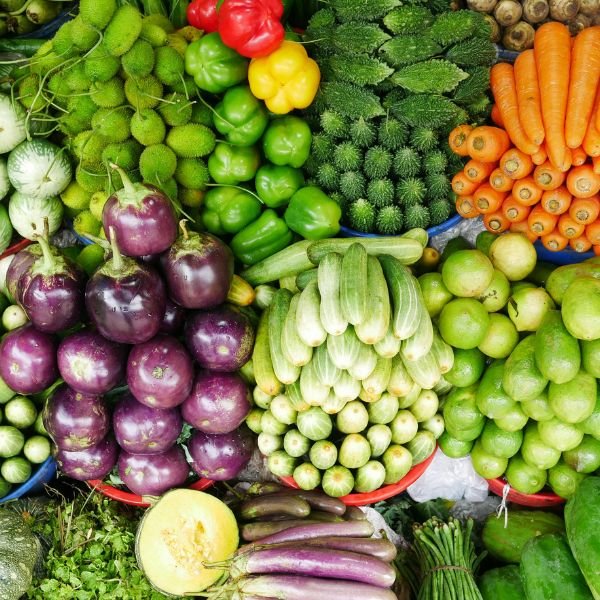
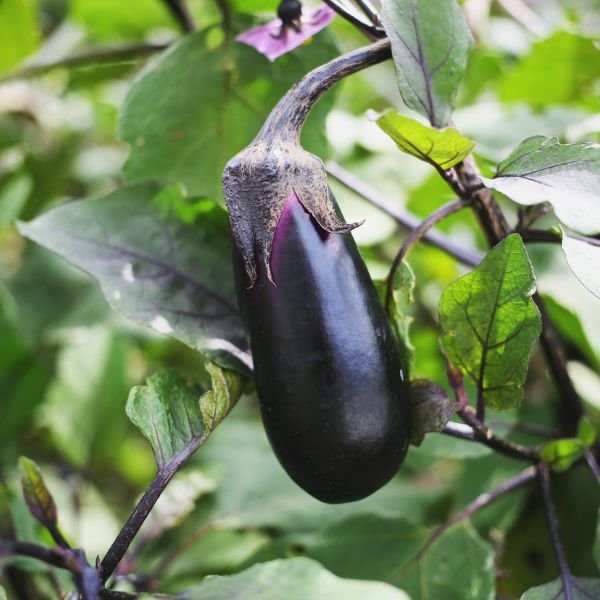
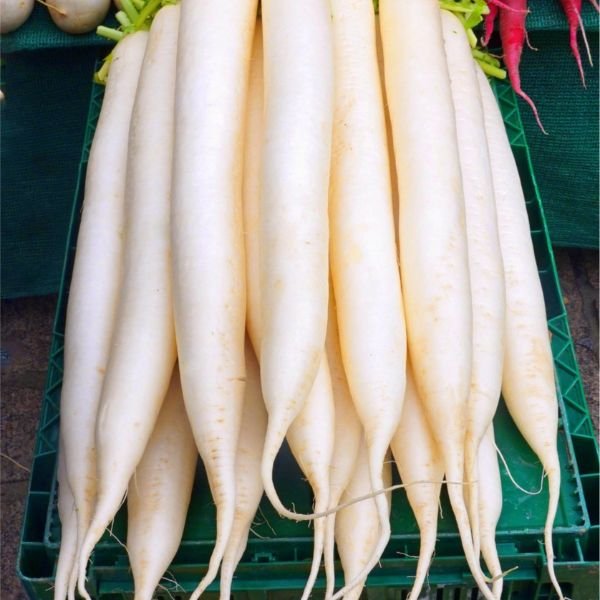
Root vegetables are a practical choice for a home vegetable garden because they can produce plenty of fresh food without requiring a large growing area. Radishes, carrots, and beets grow well in garden beds and containers, and with careful succession planting, you can enjoy a more dependable home harvest across their suitable growing seasons.
Radishes
Radishes are among the quickest root vegetables to grow, making them especially rewarding for beginners. Many varieties are ready to harvest in roughly 3–6 weeks, although the exact timing depends on the variety, temperature, and growing conditions.
Sow radish seeds directly into loose, well-drained soil about ½ inch (1–1.5 cm) deep. Once the seedlings appear, thin them to roughly 1–2 inches (2.5–5 cm) apart, depending on the variety. Radishes generally perform best with plenty of sunlight, although some afternoon shade can be helpful when temperatures become warmer. Keep the soil consistently moist but never waterlogged, as irregular watering can affect root quality.
You can usually tell radishes are ready when the top of the root becomes visible at soil level and reaches the expected size for the variety. Avoid leaving mature radishes in the ground for too long because they may become woody, pithy, or overly spicy.
Beginner tip: If your radishes develop lots of leaves but small roots, overcrowding or excessively rich soil may be contributing to the problem. Thin seedlings early and avoid overfeeding them with high-nitrogen fertilizer.
For a continued supply, sow a small batch every one to two weeks during suitable cool weather. Radishes also grow well in containers that provide good drainage and enough depth for the chosen variety.
Carrots
Carrots take longer than radishes, but they are still an excellent choice for a reliable supply of fresh vegetables. Depending on the variety, many carrots mature in approximately 2–3 months, with baby carrots often harvested earlier.
Carrots grow best in deep, loose, well-drained soil without stones or large clumps. Heavy or compacted soil can cause roots to become forked or misshapen. Sow seeds directly about ¼ inch (0.5–1 cm) deep and thin young seedlings so mature carrots have roughly 2–3 inches (5–7.5 cm) of space, adjusting for the variety you grow.
Provide full sun when possible and keep the soil evenly moist, especially while seeds are germinating and roots are developing. Carrot seeds can take time to germinate, so don’t allow the soil surface to dry out completely during this stage.
Carrots are generally ready when their shoulders reach a useful size and develop the expected color. You can gently brush away a little soil around the top to check their size before pulling them.
Beginner tip: Avoid transplanting carrots. Sow them directly where they will grow because disturbing their developing taproots can lead to damaged or misshapen carrots.
For succession planting, sow smaller batches every few weeks while temperatures remain suitable. Short or round carrot varieties are particularly useful for containers; choose a pot deep enough for the mature root length.
Beets
Beets are valuable because both their roots and young leaves are edible, giving home gardeners more from a relatively small space. Many varieties can be harvested in around 7–10 weeks, while tender leaves may be picked earlier.
Sow beet seeds directly approximately ½–1 inch (1.5–2.5 cm) deep, leaving about 3–4 inches (7.5–10 cm) between plants after thinning. Beet “seeds” can produce multiple seedlings, so thinning is particularly important. They prefer loose, fertile, well-drained soil and generally perform well in full sun, although they can tolerate some light shade.
Keep the soil consistently moist to encourage tender, evenly developing roots. Large swings between very dry and very wet conditions can reduce quality.
Check the shoulders of the roots where they emerge above the soil. Beets can be harvested at different sizes, but smaller to medium roots are often more tender.
Beginner tip: Don’t throw away healthy seedlings removed during thinning. Young beet leaves can be used as edible greens.
Beets are also suitable for containers with adequate depth and drainage. Planting small batches every two to three weeks during favorable growing conditions can extend your harvest.
Radishes, carrots, and beets mature at different speeds, making them a useful combination for a productive home garden. By planting smaller batches at suitable intervals instead of sowing everything at once, you can spread out harvest times and enjoy a steadier supply of fresh root vegetables throughout their growing seasons.
Productive Vegetables for Containers and Small Spaces
You don’t need a large backyard to enjoy homegrown vegetables. Patios, balconies, raised beds, small yards, and sunny corners can all produce a rewarding fresh harvest when you choose vegetables suited to limited spaces. Green onions, bush beans, and peas are practical choices for a container vegetable garden because they can produce well without taking over your growing area.
Green Onions
Green onions are one of the easiest vegetables for containers, making them ideal for beginners. They grow best with around 6 hours of sunlight, although they can tolerate some partial shade. Choose a container about 6–8 inches deep with drainage holes and fill it with loose, well-draining potting mix.
Plant sets or seedlings about 1–2 inches apart. Keep the soil evenly moist but never waterlogged. You can begin harvesting young green onions once they reach a useful size, often within several weeks depending on the variety and conditions. For a steady supply, plant small batches every few weeks. Green onions prefer mild to cool conditions, although suitable planting times vary by climate.
Bush Beans
Bush beans are compact, productive plants that fit naturally into small-space gardening. Give them 6–8 hours of direct sunlight and a container at least 10–12 inches deep with good drainage. A rich, loose potting mix helps roots develop properly.
Sow seeds according to the variety’s recommended spacing, commonly a few inches apart, and keep the soil consistently moist without soaking it. Unlike pole beans, most bush varieties do not require a tall trellis. Harvest pods while they are young and tender, and pick regularly to encourage continued production. Bush beans prefer warm weather, so plant them after cold conditions and frost risk have passed.
Peas
Peas are excellent for making use of vertical space because they can climb upward instead of spreading across your garden. They generally perform best in full sun, though some afternoon shade can be helpful in warmer conditions. Use a well-drained container roughly 8–12 inches deep and provide a small trellis, netting, or stakes for climbing varieties.
Keep the soil consistently moist, especially during flowering and pod development, but avoid leaving roots in standing water. Harvest pods regularly when they are plump but still tender. Peas prefer cool weather and often perform best in spring or fall, depending on your local climate.
Choosing compact, productive crops can transform even a small balcony, patio, or garden corner into a useful source of fresh food. With suitable containers, good sunlight, careful watering, and seasonal planting, limited space does not have to mean a limited harvest.
Warm-Season Vegetables That Produce an Abundant Harvest
Warm-season vegetables thrive when temperatures rise and the days become longer and sunnier. Even without a large backyard, you can grow productive crops in raised beds, small yards, patios, and sufficiently large containers. Tomatoes, peppers, cucumbers, and zucchini are excellent choices because healthy plants can provide repeated harvests throughout their growing season.
Tomatoes
Tomatoes grow best in full sun, ideally 6–8 or more hours daily, and warm conditions. For container growing, choose a pot with good drainage that holds roughly 5 gallons or more for many compact varieties, though larger indeterminate plants benefit from substantially more root space. Use fertile, well-draining potting mix and keep the soil consistently moist without leaving it waterlogged.
Provide a cage, stake, or trellis as the plant grows. Harvest tomatoes when they develop the mature color expected for their variety and feel firm but not hard. Growing tip: Water near the base of the plant and maintain consistent moisture to reduce stress and fruit problems.
Peppers
Peppers love warmth and plenty of direct sunlight. A container around 3–5 gallons or larger per plant, with drainage holes and nutrient-rich potting mix, works well for many varieties. Keep the soil evenly moist, allowing the surface to begin drying between waterings rather than keeping the roots constantly wet.
Most pepper plants need little support, although heavily loaded branches may benefit from a small stake. You can harvest many peppers green or allow them to mature to their final color for a sweeter or fuller flavor. Growing tip: Avoid planting peppers outdoors while nights are still cold, as low temperatures can slow their growth.
Cucumbers
Cucumbers are fast-growing vegetables that perform best with full sun, warm soil, regular moisture, and good drainage. Compact or bush varieties are particularly useful for containers, while vining types can be trained vertically on a strong trellis to save valuable space.
Pick cucumbers regularly while they are young, firm, and appropriate in size for the variety. Frequent harvesting encourages continued fruit production. Growing tip: Check plants often during peak production because cucumbers can grow surprisingly quickly.
Zucchini
Zucchini is a productive warm-season crop that needs plenty of sunlight and room for its large leaves. For container gardening, choose a compact variety and a large container—often 10 gallons or more—with excellent drainage.
Water deeply and consistently, preferably at soil level. Harvest zucchini while the fruits are still relatively young and tender rather than allowing them to become oversized. Growing tip: Regular harvesting can encourage the plant to continue producing new fruits.
With enough sunlight, healthy soil, consistent watering, and timely harvesting, these warm-season vegetables can produce impressive amounts of fresh food from surprisingly limited space. Their exact planting and harvesting periods depend on your local climate, so plant after frost danger has passed and conditions have become reliably warm.
Grow Broccoli for a Healthy Cool-Season Harvest
Broccoli is a nutritious cool-season vegetable that can be a rewarding addition to your home vegetable garden. With the right temperature, moisture, and soil conditions, you can grow broccoli with firm, flavorful heads and continue harvesting smaller side shoots after the main crop is picked.
Broccoli grows best in cool weather, generally around 60–70°F (16–21°C), although established plants can tolerate some colder conditions. Planting time depends on your local climate, but broccoli is commonly grown for spring or fall harvests. Choose a location receiving at least 6 hours of direct sunlight daily and provide fertile, well-draining soil enriched with compost or other organic matter.
You can start broccoli from seeds or use young transplants for a quicker start. Space plants roughly 18–24 inches apart to provide enough room for healthy leaves and heads to develop. Keep the soil consistently moist, providing about 1–1.5 inches of water per week from rainfall and irrigation, adjusting for weather and soil conditions. Adding compost and using a balanced fertilizer when needed can support steady growth.
Watch your plants for yellowing leaves, undersized heads, and common pests such as cabbage worms and aphids. Check the undersides of leaves regularly so problems can be addressed before they become severe.
For a better broccoli harvest, remember these simple tips:
- Apply mulch to help maintain consistent soil moisture.
- Avoid letting plants become severely dry or heat-stressed.
- Check young leaves regularly for pests.
- Harvest before the tightly packed flower buds begin opening.
Cut the main head while it is firm and deep green, leaving several inches of stem and healthy leaves behind. Many broccoli varieties will then produce smaller edible side shoots, extending your harvest. With consistent care and timely harvesting, fresh homegrown broccoli can become one of the most satisfying crops in your garden.
Soil, Sunlight, and Watering Tips for a Productive Vegetable Garden
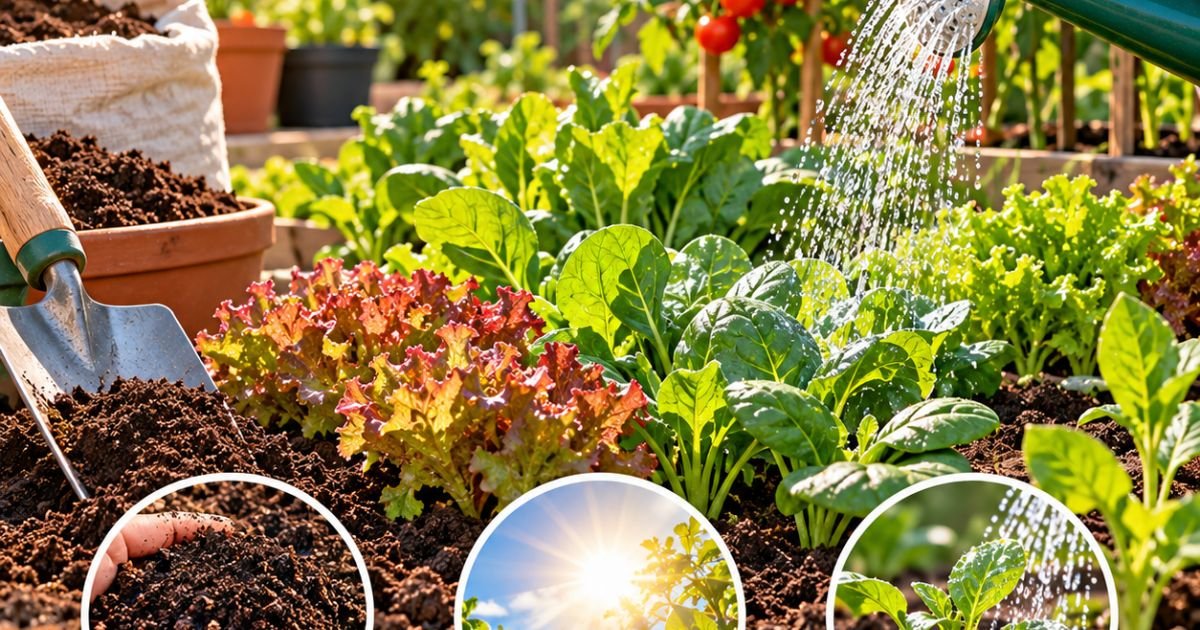
A productive vegetable garden starts with three essentials: healthy soil, enough sunlight, and consistent watering. When these basics are balanced, vegetable plants can develop stronger roots, healthier leaves, and better harvests throughout their growing season.
Build Healthy, Nutrient-Rich Soil
Healthy soil gives vegetable roots access to the air, moisture, and nutrients they need to grow. Loose, well-draining soil is especially important for root vegetables such as carrots, while nutrient-hungry plants like tomatoes and cucumbers benefit from fertile soil rich in organic matter.
Before planting, mix compost or well-rotted organic matter into your garden beds. This can improve soil structure, support beneficial soil life, and help the ground hold moisture without becoming overly waterlogged. For containers, use a quality potting mix designed to provide both drainage and moisture retention.
Give Your Vegetables the Right Amount of Sunlight
Many vegetables, including tomatoes, peppers, and cucumbers, perform best when they receive around 6–8 hours of direct sunlight each day. Leafy greens such as lettuce and spinach can often tolerate less direct sun, particularly during warmer weather.
Observe your garden for several days before deciding where to plant. If you’re growing vegetables in containers, you have an advantage—you can move the pots to sunnier or more sheltered locations as seasonal conditions change.
Water Deeply and Consistently
Both too much and too little water can stress vegetable plants. Instead of following a fixed schedule, check the soil regularly. If the upper layer feels dry, check slightly deeper to determine whether watering is actually needed.
Water near the base of plants so moisture reaches the root zone. Deeper watering generally encourages stronger root development than frequent, shallow watering. Tomatoes, cucumbers, carrots, and leafy greens may have different moisture needs, so adjust according to the plant, weather, soil, and whether you’re growing in containers.
Getting soil, sunlight, and watering right creates a strong foundation for your home vegetable garden. Master these basics, and you’ll be much closer to healthier plants and reliable, rewarding harvests.
How to Keep Your Year-Round Vegetable Garden Producing
A productive year-round vegetable garden depends on good timing, regular care, and smart planting rather than putting every seed in the ground at once. By planning around the seasons and replacing finished crops, you can enjoy a fresh harvest for much more of the year.
Use Succession Planting for Continuous Harvests
Succession planting means sowing smaller amounts of vegetables every few weeks instead of planting an entire crop at once. Fast-growing vegetables such as lettuce, spinach, radishes, and green onions work especially well with this method. As one group reaches harvest time, another is already growing behind it, helping prevent long gaps between harvests.
Match Vegetables to the Right Season
Plant cool-season vegetables such as spinach, lettuce, peas, carrots, and broccoli when temperatures are mild. Save heat-loving crops like tomatoes, peppers, cucumbers, beans, and zucchini for warmer conditions. Exact planting times depend on your local climate and frost dates, so use a local planting calendar when planning your home vegetable garden.
Harvest Regularly and Replant Empty Spaces
Pick mature vegetables regularly, especially productive crops such as beans, cucumbers, and zucchini. Frequent harvesting can encourage these plants to keep producing. When a crop finishes, remove it and plant another suitable vegetable rather than leaving valuable garden space empty.
Protect Crops and Keep Plants Healthy
Containers make it easier to move suitable plants when sunlight or temperatures change. Row covers, cold frames, greenhouses, and indoor growing can also extend the growing season where conditions allow. Check soil moisture, nutrients, pests, and plant health regularly so small problems do not reduce your harvest.
A year-round garden will look different in every climate, but careful timing, seasonal planting, and regular replanting can keep fresh homegrown vegetables coming for much more of the year.
Frequently Asked Questions
What are the easiest vegetables to grow at home?
Lettuce, spinach, radishes, green onions, beans, and zucchini are some of the easiest vegetables for beginners. With enough sunlight, water, and healthy soil, they can grow well with basic care.
Can I grow vegetables at home all year?
Yes, you can grow vegetables for much of the year by choosing crops that suit each season. Your local climate, temperature, and frost dates will determine what you can grow at different times.
Which vegetables grow well in containers?
Lettuce, spinach, green onions, peppers, tomatoes, radishes, and bush beans can grow well in containers. Choose pots with good drainage and enough space for the plant’s roots.
How much sunlight do vegetables need?
Most vegetables grow best with about six to eight hours of direct sunlight each day. Some leafy greens, such as lettuce and spinach, can also grow with less sunlight.
How often should I water my vegetable garden?
Water when the top layer of soil begins to feel dry. The exact schedule depends on the weather, soil, container size, and type of vegetable, so check the soil instead of watering on a fixed schedule.
What vegetables can I harvest more than once?
Leafy greens such as lettuce, spinach, kale, and Swiss chard can often provide repeated harvests when you pick the outer leaves carefully. Beans, cucumbers, peppers, and zucchini can also keep producing when harvested regularly.
How can I get a continuous supply of fresh vegetables?
Try succession planting by sowing small batches of fast-growing vegetables every few weeks. You can also replace finished crops with vegetables suited to the next season.
Do I need a large garden to grow vegetables at home?
No. You can grow many vegetables in containers, raised beds, balconies, patios, or other small sunny spaces. Choosing compact varieties can help you produce more food in limited space.
Conclusion
Growing your own vegetables is a simple and rewarding way to enjoy fresher food while making good use of the space around your home. These vegetables you can grow at home offer plenty of choices for beginners, whether you have a garden bed, balcony, patio, or just a few containers. Start with vegetables that match your climate, available sunlight, and growing space, then build your garden gradually as you gain experience.
The best results come from healthy soil, consistent watering, enough sunlight, and harvesting at the right time. You don’t need to grow all 15 vegetables at once—choose a few favorites and learn what works best in your conditions. With regular care and a little patience, even a small home garden can provide fresh, delicious vegetables and the satisfaction of harvesting food you grew yourself.
