
7 Healthy Soil Habits can completely change the way your garden grows. Healthy soil helps plants build stronger roots, grow faster, and stay more resistant to stress. Poor soil, on the other hand, can make gardening harder and reduce plant growth. The good news is that a few simple habits can improve your soil naturally.
You do not need expensive products or complicated techniques to create better soil. Adding compost, using mulch, keeping roots in the ground, and supporting soil life can make a big difference. These simple habits help the soil hold moisture, provide nutrients, and support healthy organisms. With regular care, you can build rich, living soil that keeps your garden productive for years.
Add Organic Matter to Feed Your Soil Naturally
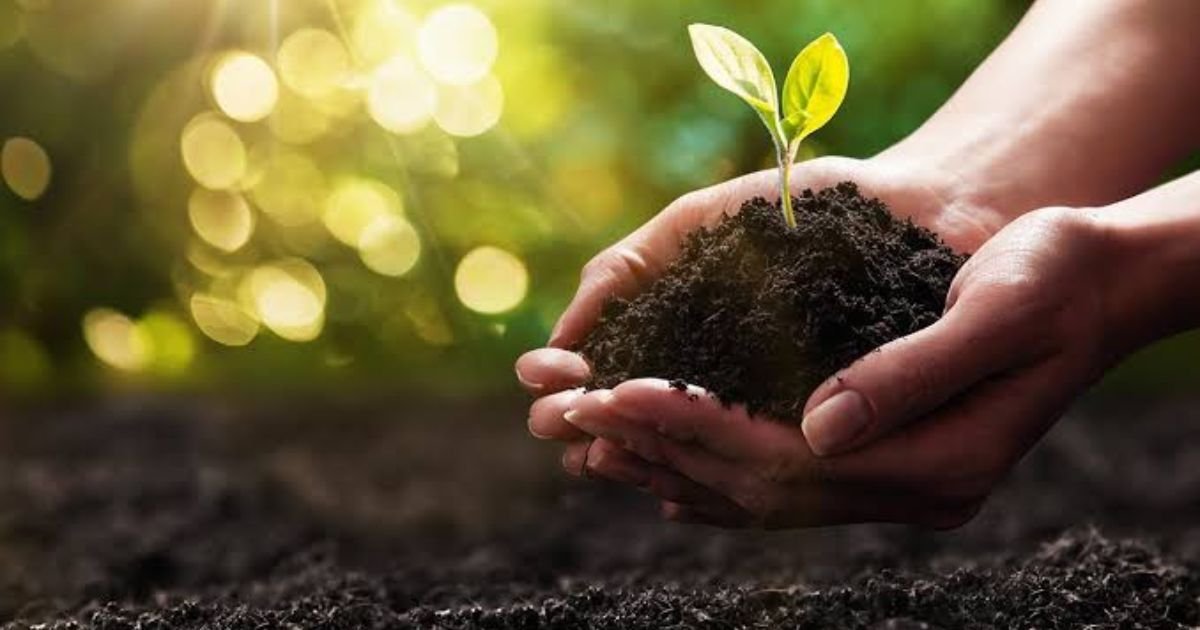
Organic matter is one of the easiest ways to improve garden soil naturally. It feeds the soil, supports healthy roots, and creates better growing conditions for plants. Regular additions can slowly turn weak soil into rich, living soil.
Why Organic Matter Matters
Organic matter improves both the texture and health of your soil.
Better soil structure: Compost and other natural materials make compact soil softer and easier for roots to grow through.
Improved moisture control: Organic matter helps sandy soil hold water while allowing heavy clay soil to drain more easily.
More natural nutrients: As organic materials break down, they slowly release nutrients that plants can use.
Healthier soil life: Earthworms, fungi, and beneficial microorganisms feed on organic matter and help keep the soil active.
Best Organic Materials to Use
You do not need expensive products to feed your garden soil.
Compost: One of the safest and easiest choices for most gardens.
Aged manure: Adds valuable nutrients, but it should be well-rotted before use.
Shredded leaves: A simple way to recycle fallen leaves while improving the soil.
Grass clippings: Use thin layers so they do not become wet and compacted.
Plant residues: Healthy plant material can be allowed to break down naturally after the growing season.
Add Organic Matter the Simple Way
Spread a thin layer of compost over your garden beds once or twice each year. You can also use shredded leaves or other organic materials as mulch. Avoid adding too much fresh material at one time.
Small, regular additions are better than trying to change your soil overnight. Over time, organic matter can create stronger roots, healthier plants, and soil that becomes easier to manage every season.
Use Mulch to Protect and Improve Garden Soil
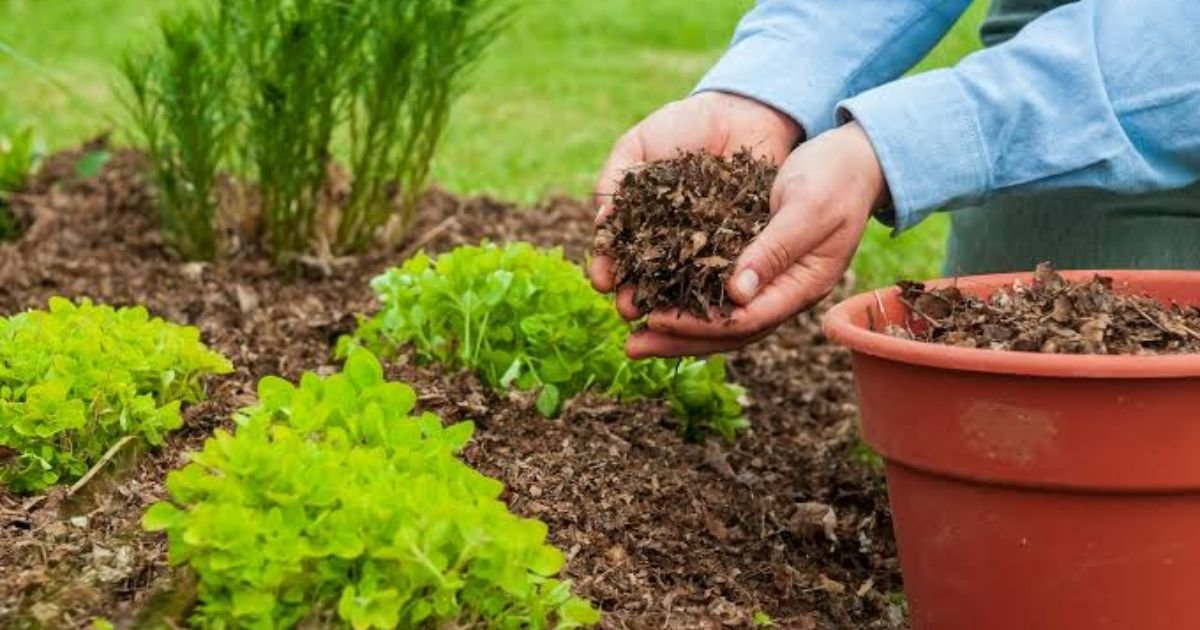
Mulch acts like a protective blanket over your garden soil. It helps keep the soil cooler, reduces water loss, and protects the surface from heavy rain and strong sun. A good layer of mulch can also make your garden easier to manage throughout the growing season.
How Mulch Helps Your Soil
Mulch gives your soil several important benefits.
Keeps moisture in the soil: Mulch slows down evaporation, so the soil stays moist for longer. This means plants need less frequent watering.
Controls soil temperature: It protects roots from extreme heat during summer and sudden temperature changes.
Reduces weed growth: A thick mulch layer blocks sunlight from reaching many weed seeds, which helps reduce unwanted growth.
Prevents soil erosion: Mulch softens the impact of rain and watering, helping keep valuable topsoil in place.
Best Mulch Materials for Your Garden
Natural mulch is often the best choice because it improves the soil as it breaks down.
Shredded leaves: Easy to find and excellent for adding organic matter.
Straw: Works well around vegetables and helps keep fruits away from wet soil.
Wood chips: A good option for paths, shrubs, trees, and perennial beds.
Grass clippings: Useful in thin layers, especially when they have not been treated with chemicals.
Apply Mulch the Right Way
Spread mulch evenly around your plants, but avoid piling it directly against stems or tree trunks. A layer of about 2 to 3 inches is usually enough for most garden beds.
Check the mulch during the season and add more when it becomes thin. Over time, natural mulch breaks down and feeds the soil while protecting it at the same time. This simple habit can lead to healthier roots, fewer weeds, and a stronger garden.
Keep Living Roots in the Soil as Much as Possible
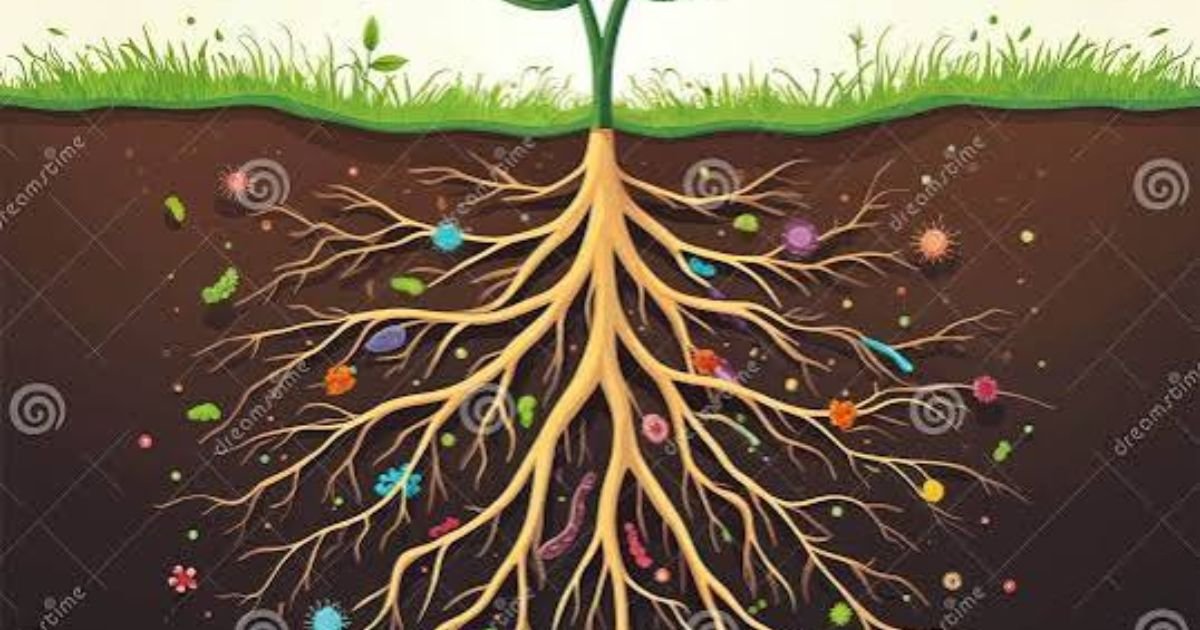
Living roots do much more than hold plants in place. They help keep the soil active, healthy, and full of life. When roots stay in the ground, they feed beneficial microorganisms and help protect the soil from becoming dry, compacted, or damaged.
Why Living Roots Matter
Keeping roots in the soil supports both plants and soil organisms.
Feed soil life: Living roots release natural sugars that feed helpful bacteria and fungi around them.
Improve soil structure: Roots create small spaces in the soil. These spaces allow water and air to move more easily.
Reduce soil erosion: Roots hold soil together and help prevent it from washing or blowing away.
Support nutrient cycling: Soil organisms around living roots help break down nutrients and make them easier for plants to use.
Keep the Soil Covered With Growing Plants
Try not to leave garden beds empty for long periods. After harvesting one crop, plant another crop if the season allows.
Use cover crops: Plants such as clover, oats, and rye can protect empty beds and add organic matter later.
Grow between main crops: Quick-growing vegetables or herbs can fill unused spaces and keep roots active.
Keep healthy perennials: Perennial plants stay in the ground for several years and provide long-term root activity.
Avoid Removing Every Root After Harvest
You do not always need to pull entire plants from the soil. If a plant is healthy and free from disease, cut it near the soil surface and leave the roots underground.
The old roots will slowly break down and add organic matter to the soil. This simple habit supports soil life, improves structure, and prepares your garden for healthier growth in the next season.
Rotate Your Crops to Keep Soil Healthy
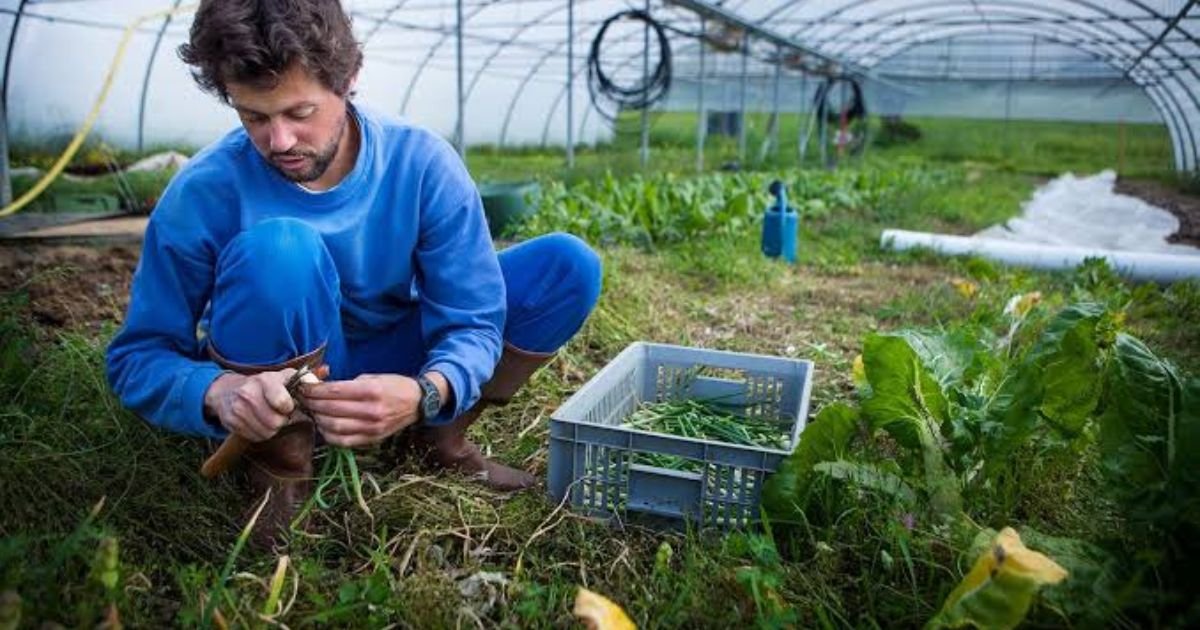
Growing the same crop in the same place every year can slowly weaken your soil. It may also allow pests and plant diseases to build up over time. Crop rotation is a simple way to give your soil a break and keep your garden healthier from season to season.
Why Crop Rotation Helps
Different plants use different nutrients and affect the soil in different ways.
Prevents nutrient imbalance: Heavy-feeding crops can remove large amounts of certain nutrients. Rotating crops helps stop the soil from becoming too depleted.
Reduces pest problems: Many garden pests prefer specific plants. Changing crop locations can interrupt their life cycle.
Lowers disease risk: Some soil-borne diseases remain in the same area after harvest. Rotation makes it harder for them to attack the same crop again.
Supports better soil health: Different root systems improve the soil in different ways and help create a more balanced growing environment.
Rotate Crops by Plant Family
A simple method is to avoid planting vegetables from the same family in the same bed every season.
Tomatoes, peppers, and eggplants: Move these crops to a different area the following year.
Beans and peas: These can help add nitrogen to the soil and work well before heavy-feeding crops.
Leafy greens: Lettuce, spinach, and similar plants can follow crops with different nutrient needs.
Root vegetables: Carrots, radishes, and beets can help vary root depth and soil use.
Keep Rotation Simple
You do not need a complicated plan. Divide your garden into a few sections and record what you grow in each one.
Try to wait two or three seasons before planting the same crop family in the s
Avoid Over-Tilling and Protect the Soil Structure
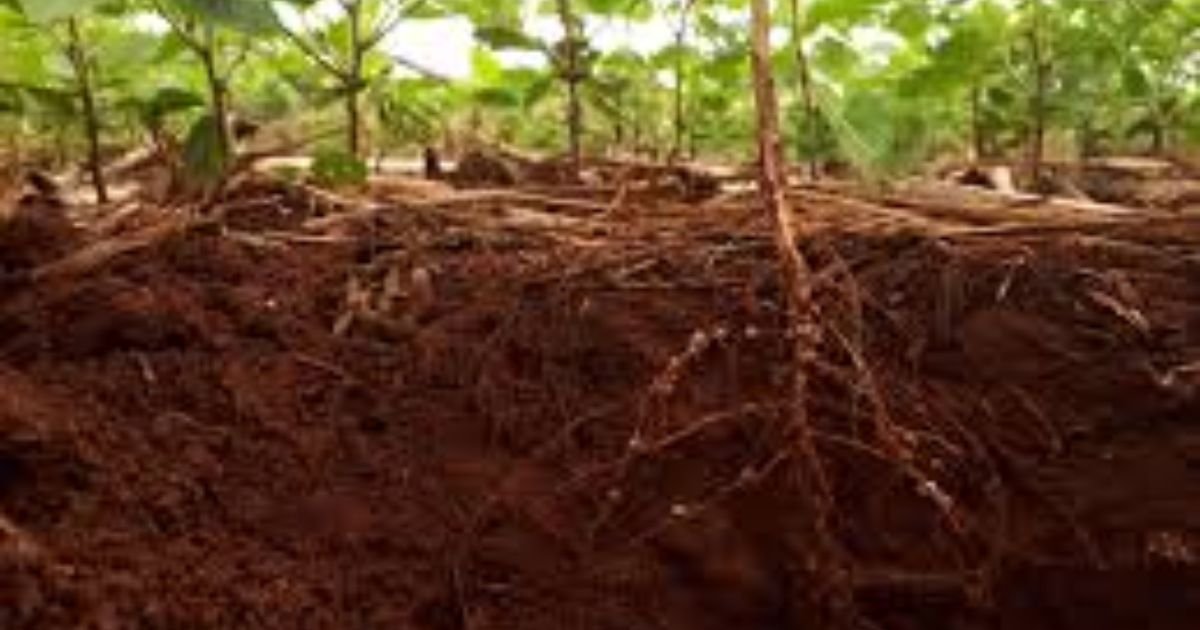
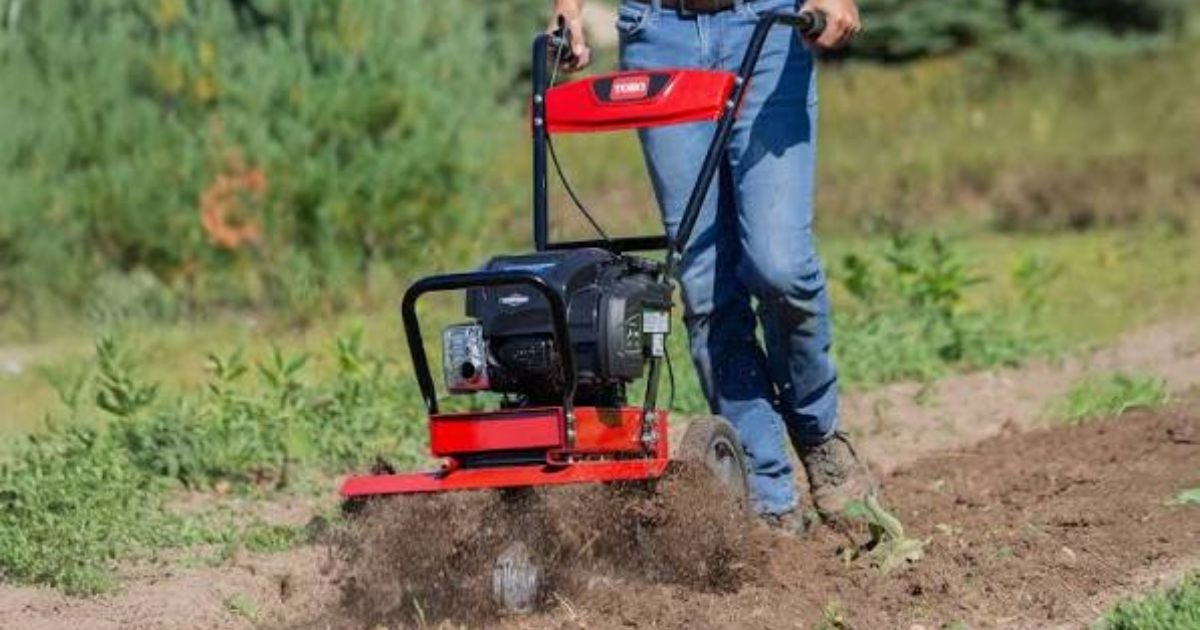
Tilling can help prepare a garden bed, but too much of it can damage healthy soil. Frequent digging breaks apart natural soil structure and disturbs the organisms living below the surface. Over time, this can make the soil weaker, drier, and more difficult to manage.
How Over-Tilling Can Harm Soil
Soil works best when its natural structure stays protected.
Breaks soil structure: Too much tilling destroys the small spaces that help air and water move through the soil.
Disturbs soil organisms: Earthworms, fungi, and helpful microorganisms can be damaged when the soil is constantly turned.
Increases moisture loss: Loose, exposed soil can dry out faster under the sun and wind.
Raises erosion risk: Bare, disturbed soil is easier for heavy rain or strong wind to carry away.
Use Gentle Soil-Care Methods
You can prepare your garden without deeply digging every season.
Add compost on top: Spread compost over the soil and allow worms and microorganisms to mix it naturally.
Use a garden fork carefully: Loosen compacted areas without completely turning the soil upside down.
Keep soil covered: Mulch protects the surface and reduces the need for frequent cultivation.
Avoid working wet soil: Digging wet soil can cause compaction and damage its natural texture.
Let the Soil Do More of the Work
Healthy soil can improve itself when it is given time and protection. Roots, worms, and soil organisms naturally create channels that improve airflow and drainage.
Reduce unnecessary digging and disturb the soil only when needed. This simple habit protects soil structure, supports beneficial life, and creates a stronger foundation for healthy plant growth.
Grow Diverse Plants to Support Soil Biodiversity
A garden with many different plants can create healthier and more active soil. Each plant has its own root system, nutrient needs, and relationship with soil organisms. Growing a mix of plants helps build a balanced underground environment that supports stronger growth over time.
Why Plant Diversity Helps the Soil
Different plants support the soil in different ways.
Feeds more soil organisms: Different roots release different natural compounds that feed bacteria, fungi, and other helpful microorganisms.
Improves soil structure: Deep roots and shallow roots create different pathways for air and water to move through the soil.
Supports nutrient balance: A variety of plants use nutrients in different amounts, which can help reduce pressure on the same nutrients year after year.
Encourages beneficial insects: Flowers, herbs, and native plants can attract pollinators and helpful insects that support the whole garden.
Mix Different Types of Plants
You do not need a complicated planting plan to increase diversity.
Combine vegetables and herbs: Grow plants like tomatoes, basil, lettuce, and onions in the same garden area where suitable.
Add flowering plants: Flowers can attract beneficial insects and make the garden more balanced.
Use plants with different root depths: Mix shallow-rooted crops with deeper-rooted plants to use the soil more effectively.
Include native plants: Native species are often well adapted to local conditions and can support local wildlife.
Build a More Resilient Garden
Avoid filling every bed with only one type of plant. A diverse garden is often better able to handle pests, weather changes, and soil stress.
Start small by adding a few new plant types each season. Over time, greater plant diversity can support richer soil life, healthier roots, and a more productive garden.
Observe Your Soil and Improve It Over Time
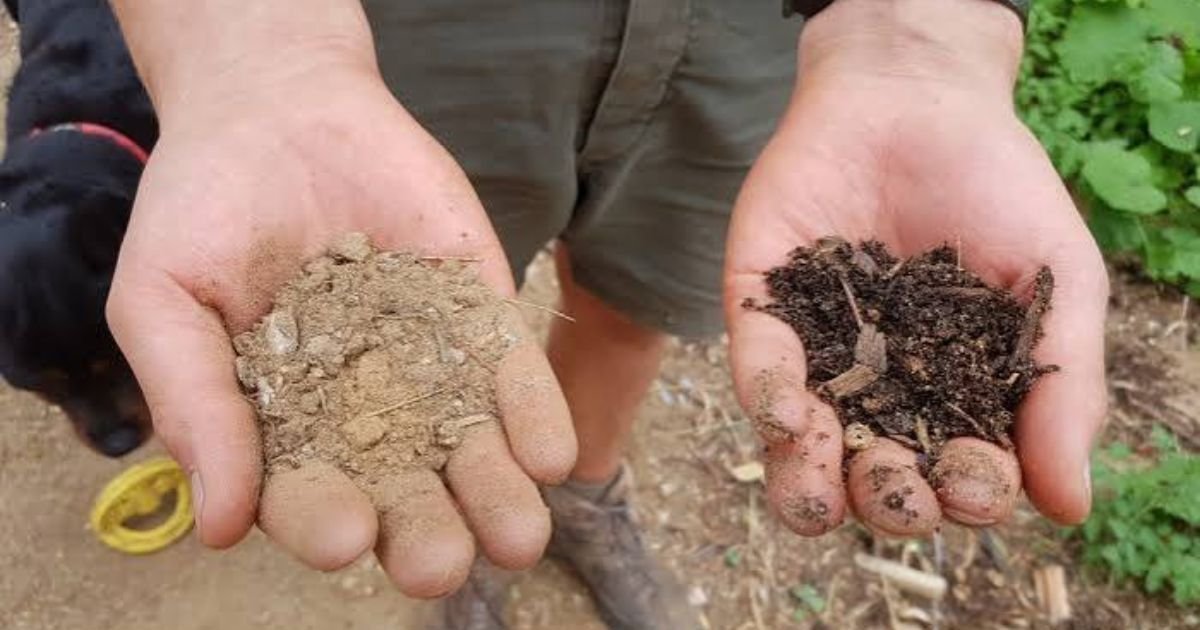
Healthy soil does not happen overnight. One of the best gardening habits is to watch how your soil changes throughout the year. By paying attention to moisture, texture, plant growth, and soil life, you can understand what your garden needs and make better decisions over time.
Learn to Read Your Soil
Your soil can give you many clues about its health.
Check the texture: Pick up a small handful of soil. Healthy soil usually feels loose and crumbly rather than extremely hard or sticky.
Watch how water moves: If water sits on the surface for a long time, the soil may have poor drainage. If it disappears too quickly, the soil may need more organic matter.
Look at your plants: Yellow leaves, weak growth, or poor flowering can sometimes show that the soil needs attention.
Notice soil life: Earthworms and other small organisms are often good signs that the soil is active and healthy.
Test Before Making Big Changes
A simple soil test can help you understand what is happening below the surface.
Check soil pH: Soil that is too acidic or too alkaline can make it difficult for plants to absorb nutrients.
Test important nutrients: Knowing nutrient levels can prevent you from adding fertilizers your soil does not need.
Keep simple garden notes: Record what grows well, where problems appear, and what improvements you make each season.
Improve Your Soil Step by Step
Avoid trying to fix every soil problem at once. Add compost, mulch, or other improvements based on what your garden actually needs.
Observe the results and make small changes each season. Over time, this habit helps you understand your soil better and creates healthier conditions for stronger plants, better harvests, and long-term gar
Frequently Asked Questions
What are the best habits for keeping garden soil healthy?
The best habits include adding organic matter, using mulch, rotating crops, reducing tilling, keeping living roots in the soil, growing diverse plants, and checking soil health regularly.
How can I improve poor garden soil naturally?
Start by adding compost, aged manure, or shredded leaves. Use mulch to protect the soil and avoid disturbing it too often. Small improvements each season can make a big difference.
How often should I add organic matter to garden soil?
You can add compost or other organic matter once or twice a year. Spring and fall are usually good times to improve the soil.
Why is mulch important for healthy soil?
Mulch helps keep moisture in the soil, controls weeds, protects against erosion, and keeps soil temperatures more stable.
How does crop rotation help soil health?
Crop rotation prevents the same nutrients from being used repeatedly. It can also reduce pests, diseases, and nutrient problems in the garden.
Is too much tilling bad for garden soil?
Yes. Too much tilling can damage soil structure, disturb beneficial organisms, increase moisture loss, and make erosion more likely.
Why should I keep living roots in the soil?
Living roots feed helpful soil organisms and improve soil structure. They also reduce erosion and help nutrients move through the soil naturally.
How does plant diversity improve soil health?
Different plants have different roots and nutrient needs. Growing a variety of plants supports more soil organisms and creates a healthier garden ecosystem.
How can I tell if my garden soil is healthy?
Healthy soil is usually loose, crumbly, and able to hold moisture without becoming waterlogged. Earthworms, strong plant growth, and good drainage are also positive signs.
How long does it take to improve garden soil?
Some improvements can appear within one growing season. However, building rich and healthy soil usually takes time. Regular care over several seasons gives the best long-term results.
Conclusion
The 7 Healthy Soil Habits That Can Transform Your Garden for Good are simple steps that can make a lasting difference. Adding organic matter, using mulch, rotating crops, reducing tilling, keeping living roots, growing diverse plants, and observing your soil all help create a healthier garden. These habits improve soil structure, support useful organisms, and give plants a stronger foundation to grow.
You do not need to change everything at once. Start with one or two habits and improve your soil little by little each season. Healthy soil becomes better with regular care, patience, and attention. Over time, your garden can become stronger, more productive, and much easier to manage
