
Plants for pollinators are one of the best ways to bring more bees and butterflies into your garden. These beautiful, nectar-rich plants provide valuable food for pollinators while filling your outdoor space with colorful flowers, gentle movement, and life throughout the growing season.
Whether you have a large backyard or a small flower bed, choosing the right plants can make a big difference. In this guide, you’ll discover 12 best plants for pollinators that attract bees and butterflies, along with simple growing tips to help you create a healthy, beautiful, and pollinator-friendly garden.
12 Best Plants for Pollinators to Bring Bees and Butterflies to Your Garden
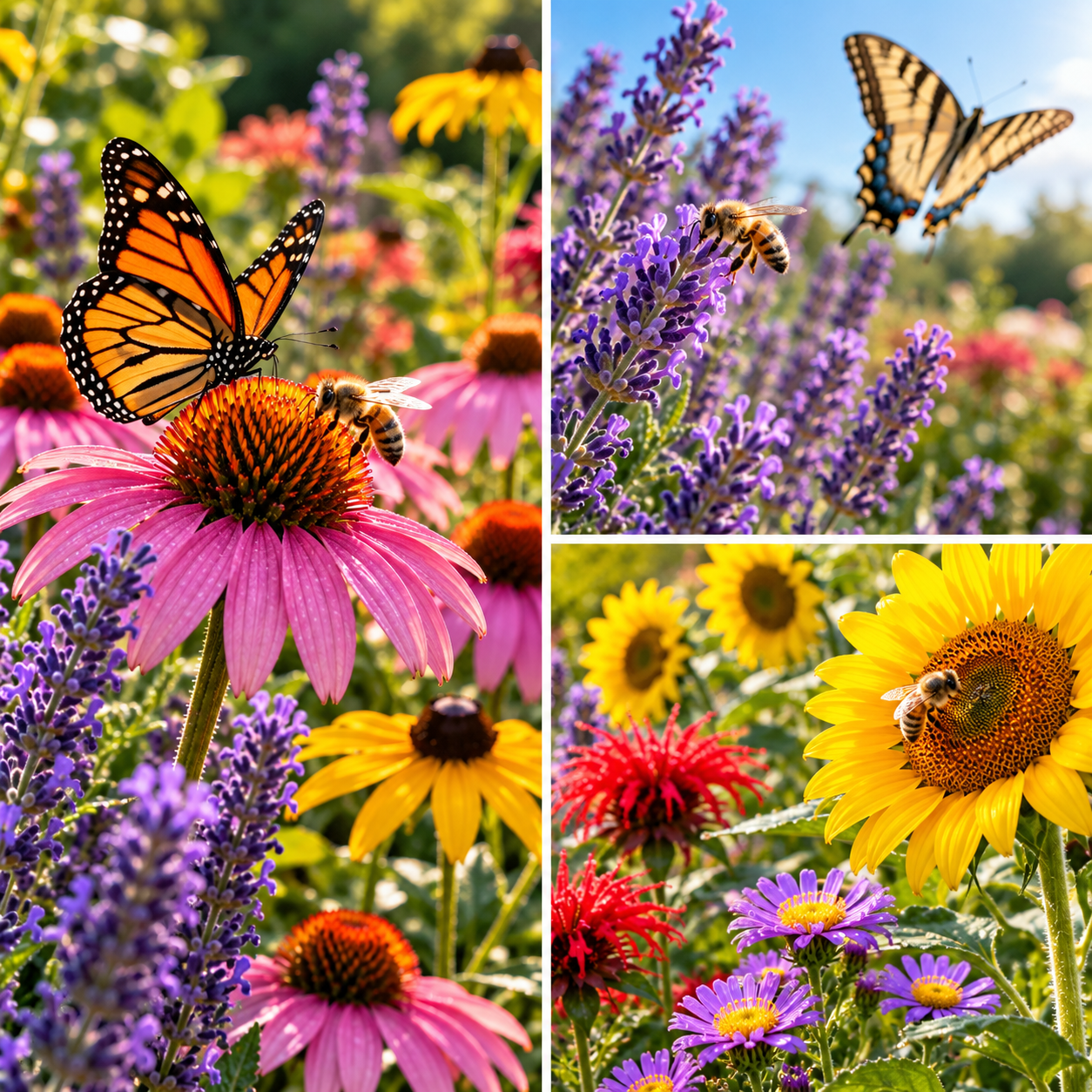
Choosing the right plants for pollinators can turn your garden into an important source of nectar and pollen for bees, butterflies, and other beneficial insects. For the best results, grow a mix of flowers that bloom at different times, so garden pollinators have something to visit from spring through fall.
1. Lavender
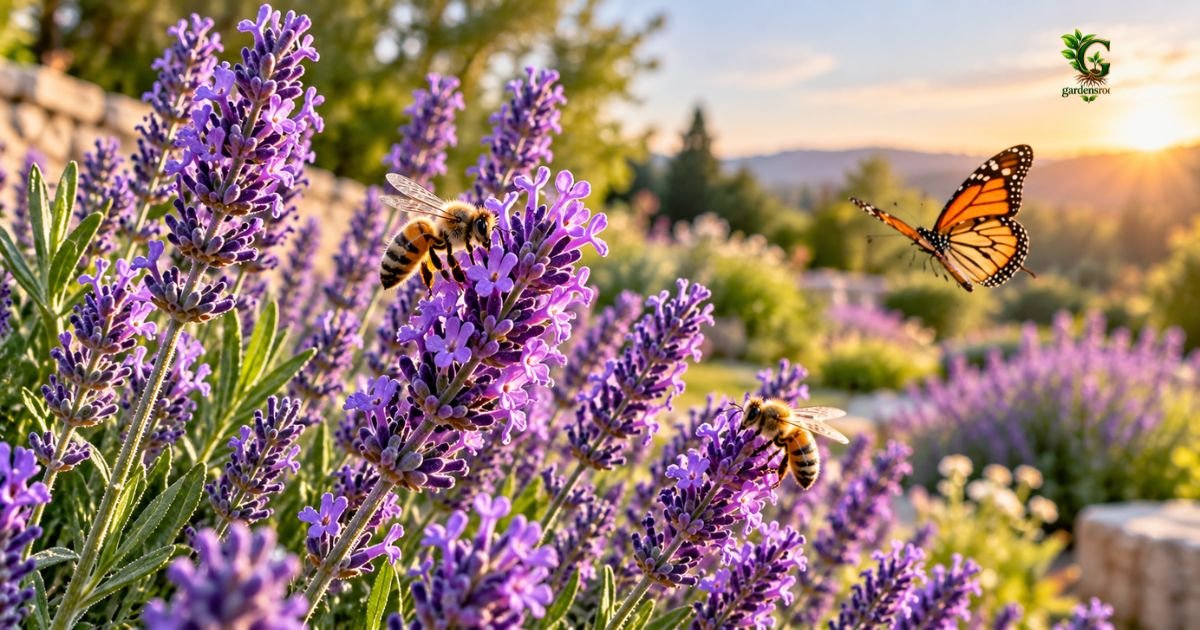
Lavender is a beautiful, fragrant perennial that attracts many kinds of bees and butterflies. Its purple flower spikes are rich in nectar, and the long blooming period makes it especially useful when pollinators are actively searching for food.
Plant lavender in full sun and well-drained soil. Once established, it prefers relatively dry conditions and usually needs less watering than many other flowering plants. It works beautifully along sunny borders, pathways, herb gardens, and in containers.
Gardener Tip: Avoid overwatering lavender. Good drainage and plenty of sunlight will help produce healthier plants and more flowers for visiting pollinators.
2. Coneflower (Echinacea)
Coneflowers are sturdy perennials with large, daisy-like blooms that make excellent landing places for bees and butterflies. Their pink, purple, white, or orange flowers can provide nectar and pollen during the warm summer months.
Grow coneflowers in full sun with well-drained soil. They tolerate some drought after becoming established and work well in flower beds, cottage gardens, prairie-style plantings, and wildlife gardens.
Leaving some flower heads in place after blooming can also provide seeds for birds later in the season.
Gardener Tip: Instead of removing every faded flower, leave several seed heads standing to add extra wildlife value to your garden.
3. Bee Balm (Monarda)
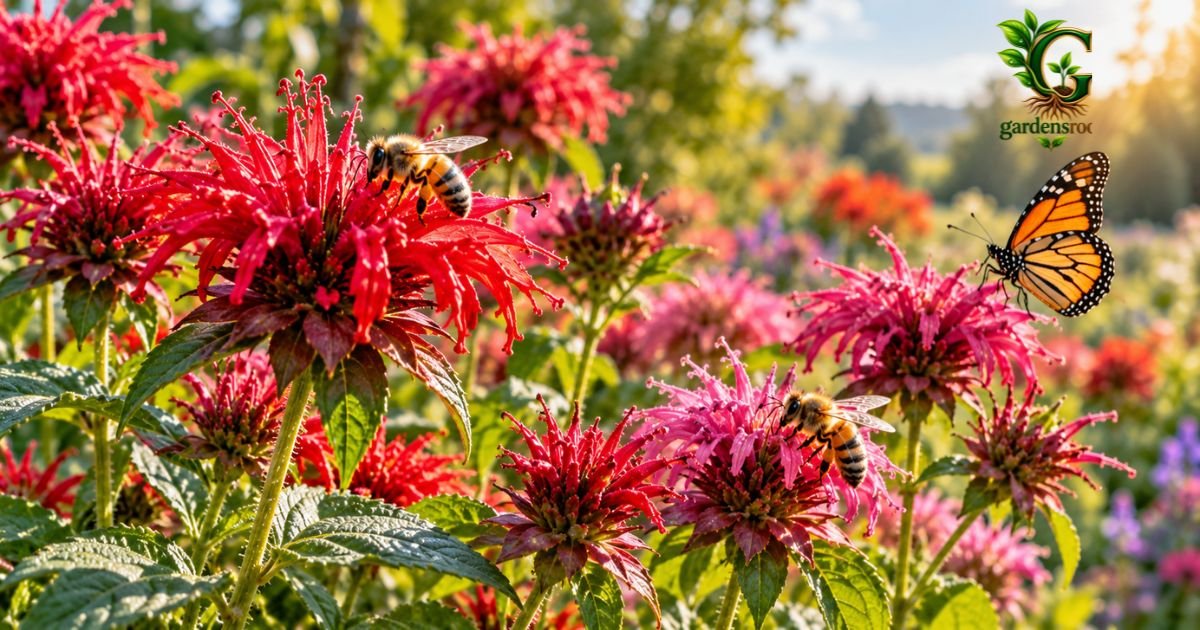
With a name like bee balm, it is no surprise that this plant is popular with pollinators. Its unusual clusters of red, pink, purple, or white flowers provide nectar for bees and butterflies, while the aromatic foliage adds another interesting feature to the garden.
Bee balm is a perennial that generally performs best in sun to partial shade and moist but well-drained soil. It is an excellent choice for cottage gardens, pollinator beds, and natural-looking borders.
Give plants enough space for air to move around the leaves because crowded conditions can encourage powdery mildew.
Gardener Tip: Divide crowded bee balm plants every few years to improve airflow and keep the planting vigorous.
4. Milkweed (Asclepias)
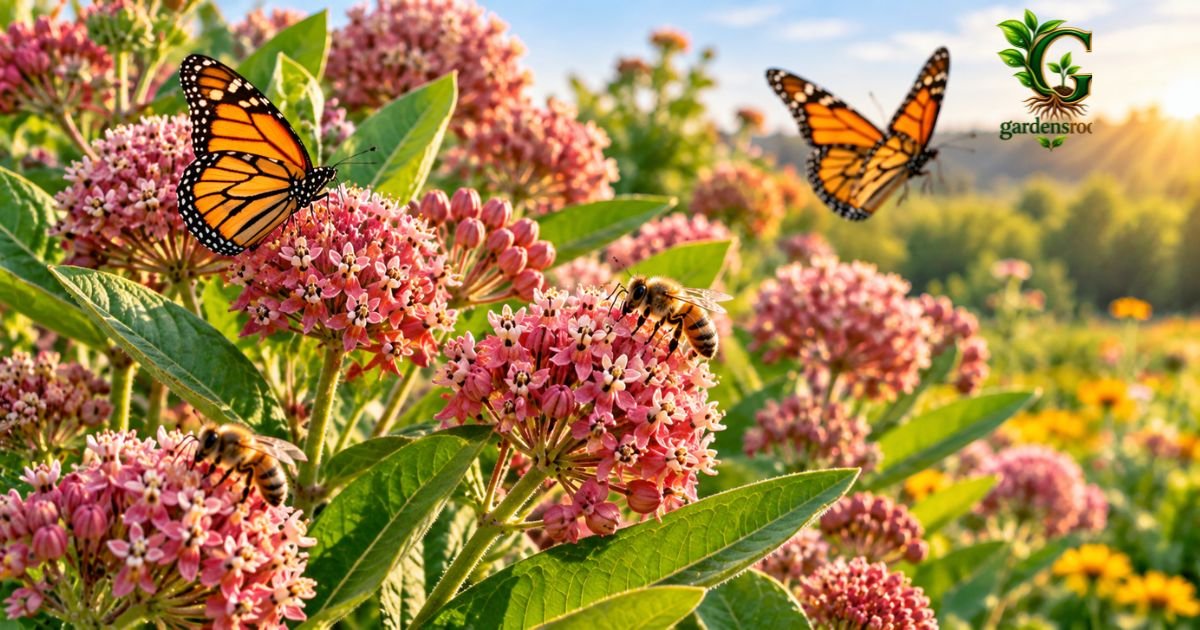
Milkweed deserves a special place in a butterfly-friendly garden because it plays an important role in the life cycle of monarch butterflies. Monarch caterpillars depend on milkweed as a host plant, while its flowers can also provide nectar for butterflies, bees, and other beneficial insects.
Growing conditions vary by species, so choosing a milkweed native to your region is important. Many types prefer sunny locations and well-drained soil, but moisture requirements can differ considerably.
Milkweed fits naturally into wildlife gardens, native plant beds, meadows, and informal borders.
Gardener Tip: Choose a locally native milkweed species whenever possible. Native species are generally better suited to local growing conditions and wildlife.
5. Salvia
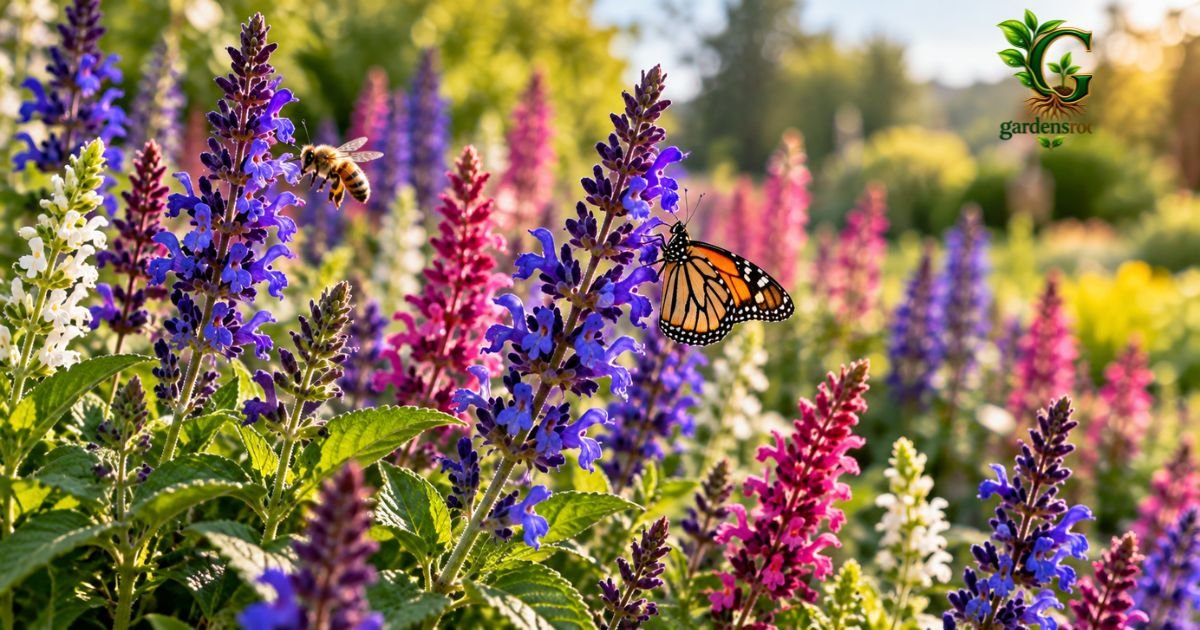
Salvia produces colorful flower spikes that can keep bees and butterflies returning to the garden. Depending on the variety, flowers may appear in shades of blue, purple, pink, red, or white, creating both a strong visual display and a useful nectar source.
Many salvias thrive in full sun and well-drained soil. Some are grown as annuals, while others are hardy perennials, so check the variety and its suitability for your climate before planting.
Salvia looks especially attractive in borders, mixed flower beds, cottage gardens, and containers.
Gardener Tip: Remove spent flower spikes from repeat-blooming varieties to encourage another flush of flowers and extend the feeding season for pollinators.
6. Black-Eyed Susan (Rudbeckia)
Black-eyed Susans brighten the garden with cheerful yellow petals surrounding dark centers. Their open flowers are easy for many pollinating insects to visit, making them a useful addition to a sunny pollinator-friendly garden.
These hardy flowering plants generally prefer full sun and reasonably well-drained soil. Once established, many types tolerate periods of dry weather and require relatively little attention.
Use them in sunny borders, naturalistic plantings, cottage gardens, or larger groups where their golden flowers can create a striking display.
Gardener Tip: Plant several together rather than scattering single plants throughout the garden. Larger flower displays are easier for passing pollinators to notice.
7. Salvia
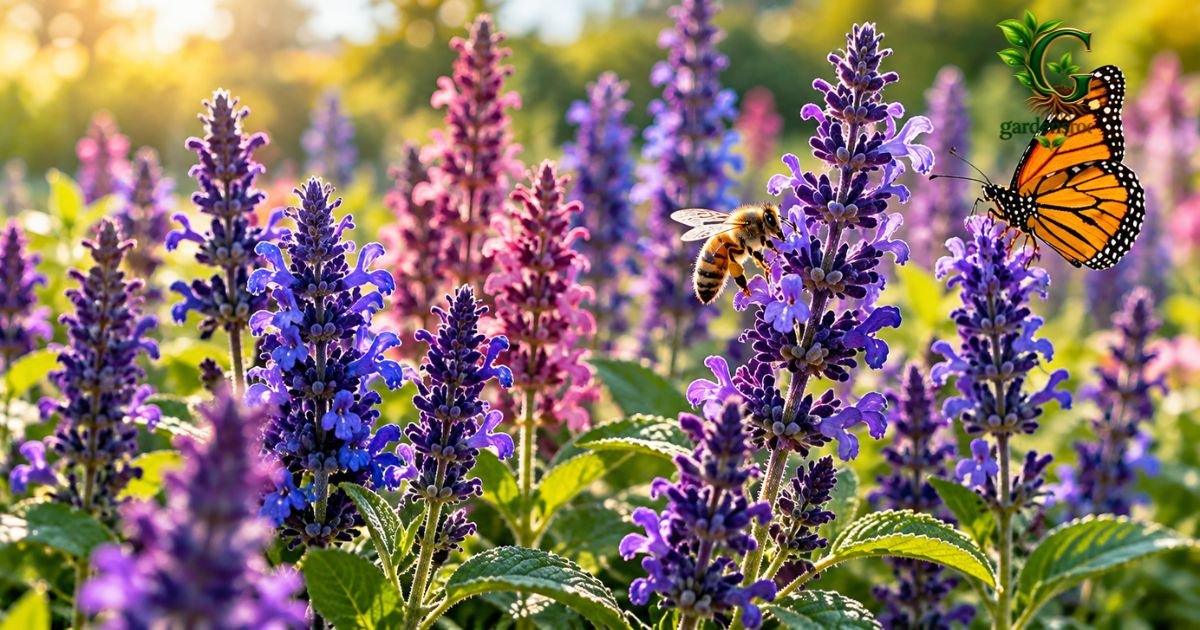
Asters are especially valuable because many varieties bloom later in the growing season, when fewer flowers may be available. Their daisy-like blooms can provide nectar and pollen for bees and butterflies preparing for cooler weather.
Flower colors commonly include purple, blue, pink, and white. Most garden asters grow well in sunny locations with well-drained soil, although requirements vary between species.
They are excellent choices for perennial borders, native gardens, cottage gardens, and wildlife areas.
Gardener Tip: Combine asters with spring- and summer-flowering plants to create a garden that provides pollinator food across multiple seasons.
8. Zinnia
Zinnias are colorful annuals that are easy to grow and can bloom for months. Their bright flowers come in many colors, including red, orange, pink, yellow, purple, and white, making them an attractive choice for both gardeners and butterflies.
Plant zinnias in full sun and fertile, well-drained soil. Water around the base when possible rather than constantly wetting the foliage. They are excellent for flower beds, vegetable garden edges, cutting gardens, and large containers.
When choosing varieties for pollinators, simple open-centered flowers can make nectar and pollen easier to reach than densely packed double blooms.
Gardener Tip: Deadhead old flowers regularly to encourage the plants to keep producing fresh blooms.
9. Sunflower
Sunflowers can provide much more than a dramatic summer display. Their large flower heads contain many small individual flowers that can supply pollen and nectar to visiting bees, while mature seed heads may later provide food for birds.
Most sunflowers prefer full sun, well-drained soil, and regular moisture while young. Depending on the variety, they can range from compact plants suitable for smaller gardens to towering flowers that work beautifully along fences and at the back of borders.
Sunflowers are usually grown as annuals, although perennial sunflower species also exist.
Gardener Tip: If pollinators are your priority, choose pollen-producing varieties rather than relying only on pollen-free types bred mainly for cut flowers.
10. Yarrow (Achillea)
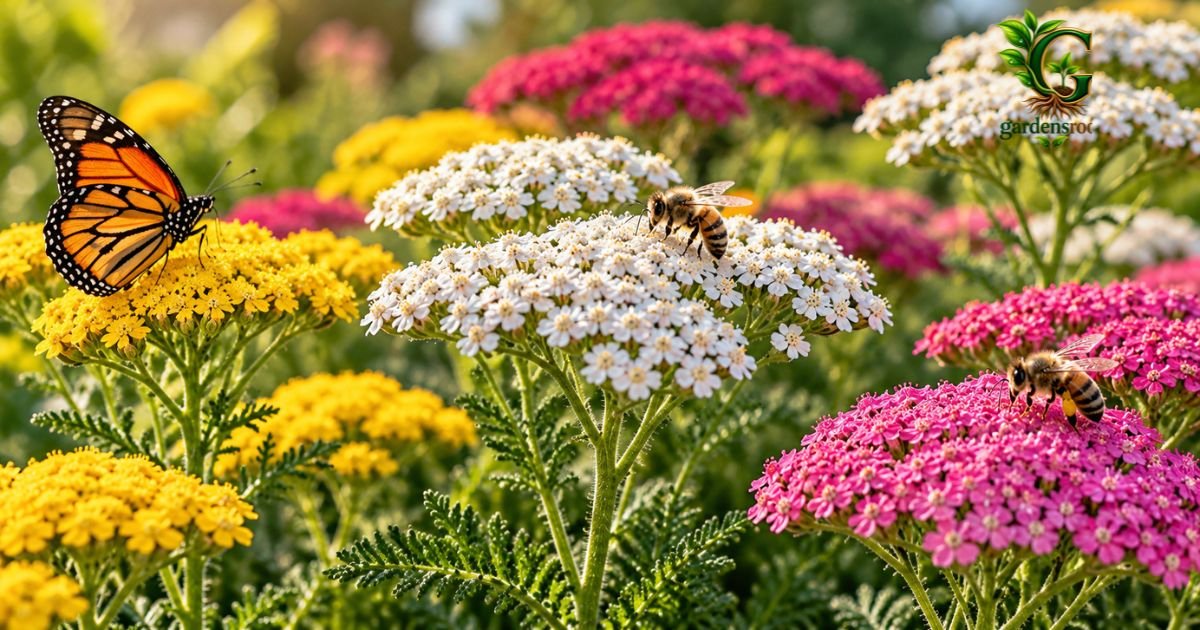
Yarrow produces flat clusters made up of many tiny flowers, creating convenient feeding areas for a range of beneficial insects. Depending on the variety, its flowers may be white, yellow, pink, red, or other soft shades.
This hardy perennial usually performs best in full sun and well-drained soil. Once established, it can tolerate relatively dry conditions, making it useful for lower-maintenance sunny gardens.
Yarrow works well in borders, cottage gardens, meadow-style plantings, and pollinator gardens.
Gardener Tip: Avoid overly rich soil or excessive fertilizer, which can encourage weak, floppy growth instead of sturdy flowering stems.
11. Goldenrod (Solidago)
Goldenrod is an important late-season flowering plant that can provide nectar and pollen when many summer flowers are beginning to fade. Its clusters of small golden-yellow flowers attract bees, butterflies, and a variety of other beneficial insects.
Many goldenrods prefer full sun, although exact growing requirements depend on the species. Native species can be particularly valuable additions to naturalistic gardens and wildlife areas.
Some goldenrod species spread more aggressively than others, so select a variety appropriate for your garden size and region.
Gardener Tip: Check which goldenrod species are native and garden-suitable in your area before planting, especially if you have a small flower bed.
12. Verbena
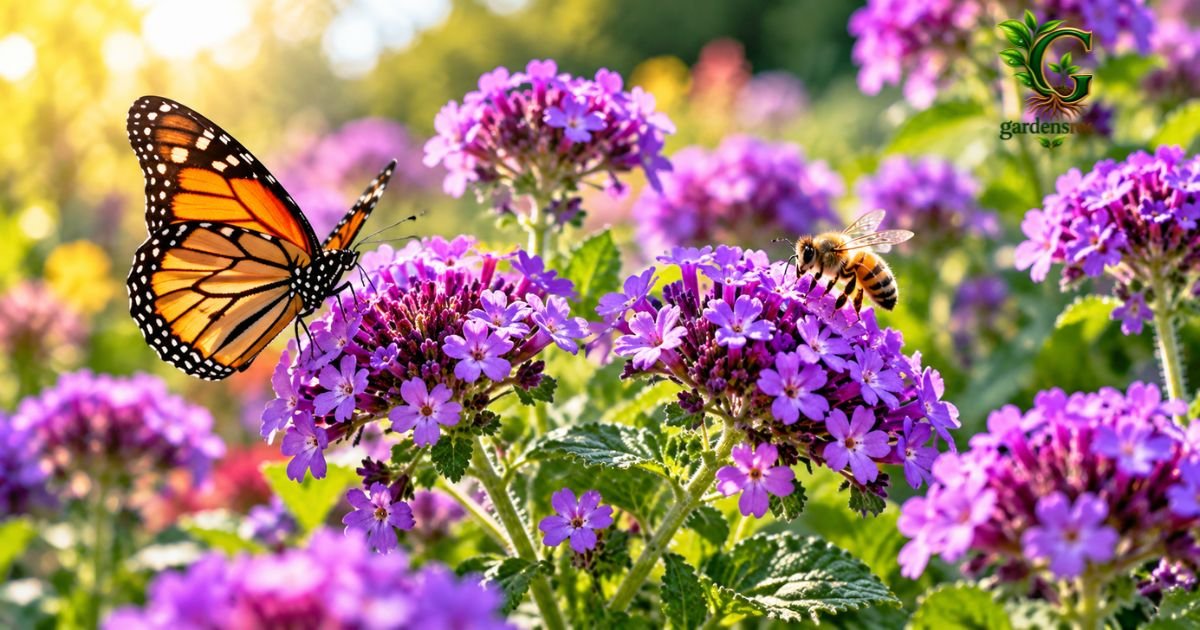
Verbena produces clusters of small, nectar-rich flowers that can be highly attractive to butterflies and other garden visitors. Its airy flowers add height and movement without making borders feel crowded.
Depending on the species and climate, verbena may be grown as an annual or perennial. Most flowering types perform best with plenty of sunlight and well-drained soil. They can work beautifully in mixed borders, cottage gardens, containers, and butterfly gardens.
Because some Verbena species may spread readily or behave differently by region, choosing a locally appropriate variety is important.
Gardener Tip: Before planting, check the variety’s regional recommendations and choose a non-invasive or native alternative where appropriate.
Growing several of these plants for pollinators together can provide a much richer food source than relying on just one type of flower. Aim for different flower shapes, colors, and bloom periods, and prioritize native plants suited to your region. With thoughtful planting, even a modest garden can become a welcoming place for bees, butterflies, and other beneficial insects.
Frequently Asked Questions About Plants for Pollinators
What are the best plants for pollinators?
Some of the best plants for pollinators include lavender, coneflower, bee balm, milkweed, salvia, asters, sunflowers, and goldenrod. A mix of different flowering plants is best because it can provide nectar and pollen across several seasons.
What plants attract both bees and butterflies?
Lavender, coneflower, bee balm, salvia, asters, zinnias, and sunflowers can attract both bees and butterflies. Choose flowers with different shapes and bloom times to support a wider variety of pollinators.
What is the best plant for attracting butterflies?
Milkweed is especially important for monarch butterflies because their caterpillars use it as a host plant. Adult butterflies also visit many nectar-rich flowers, including asters, zinnias, verbena, and coneflowers.
How can I attract more bees to my garden?
Grow a variety of nectar- and pollen-rich flowers and aim for blooms from spring through fall. Planting flowers in groups, including locally native plants, and avoiding unnecessary pesticide use can make your garden more welcoming to bees.
Are native plants better for pollinators?
Native plants can be particularly valuable because local pollinators have developed relationships with them over time. They are also often well adapted to local soil and weather, although the best choices depend on where you live.
Can I create a pollinator garden in a small space?
Yes. Even a small flower bed, balcony, patio, or container garden can provide food for pollinators. Compact lavender, salvia, verbena, and other container-suitable flowering plants can help attract visiting bees and butterflies.
How do I keep my pollinator garden blooming all season?
Choose plants with different flowering periods instead of varieties that all bloom at once. Combining spring, summer, and fall bloomers helps provide a more continuous source of nectar and pollen throughout the growing season.
What should I avoid in a pollinator-friendly garden?
Avoid unnecessary pesticide use, especially on flowers that pollinators actively visit. Also avoid invasive plants, and do not rely only on highly modified flowers that may offer little accessible nectar or pollen. Choose diverse, regionally suitable plants whenever possible.
Conclusion
Growing the right plants for pollinators is a simple way to make your garden more beautiful while supporting bees, butterflies, and other helpful insects. Flowers such as lavender, coneflower, bee balm, milkweed, sunflowers, and asters provide valuable nectar and pollen while adding wonderful colors and life to your outdoor space.
You don’t need a large garden to help pollinators. Start with a few suitable plants, choose flowers that bloom at different times of the year, and include native plants whenever possible. With a little care and planning, you can create a welcoming garden where bees and butterflies can visit, feed, and return throughout the growing season.
