

Practical gardening tips can help you grow healthier plants without making gardening feel complicated. Small changes in soil, watering, sunlight, feeding, and daily care can make a real difference over time.
A productive garden does not depend on one perfect method. Plants have different needs, and their growing conditions can change throughout the season. Learning what your plants need and watching them closely can help you make better decisions.
In this guide, you will discover 25 practical gardening tips for preparing your growing space, planting with care, watering wisely, using sunlight effectively, feeding plants properly, preventing common problems, and supporting stronger growth. You will also learn simple ways to improve your garden and work toward better harvests.
Whether you are growing vegetables, herbs, flowers, or other garden plants, these tips are designed for beginners and everyday gardeners. You do not need to change everything at once. Start with a few useful habits, observe how your plants respond, and improve your garden step by step.
Let’s explore these 25 practical tips and learn how simple, thoughtful garden care can support healthier plants and better results.
How to Prepare Your Garden for Success
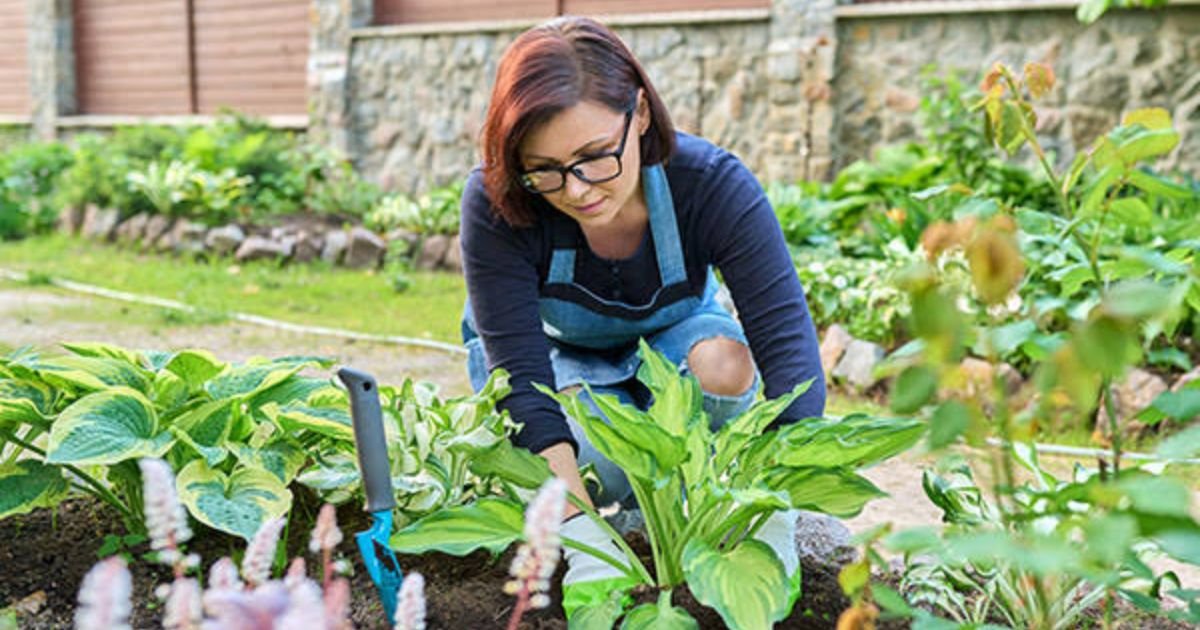
A healthy garden starts with the right conditions before plants begin growing. A little preparation can save time later and give your plants a better environment to develop.
Tip 1: Choose a Suitable Growing Space
Start by choosing a garden area that fits the plants you want to grow. Consider the available space, the condition of the ground, and how easy the area will be to maintain. Avoid choosing a location simply because it is empty. Think about how the plants will grow as they become larger. One of the most useful practical gardening tips is to plan your growing space before making major changes.
Tip 2: Check Soil Condition and Drainage
Healthy soil gives plants a better foundation for growth. Before planting, look at the soil and check whether water can move through it properly. Soil that stays wet for too long can create poor conditions for plant roots, while very dry or compacted soil may also make plant growth harder. Where suitable, adding organic matter can help improve soil structure. These practical gardening tips can help you understand your garden before adding new plants.
Tip 3: Keep the Growing Area Clean
Remove weeds, large rocks, dead plant material, and unnecessary debris from the growing area. A cleaner garden can make regular garden care easier and help you notice changes in your plants. You do not need to make the garden perfect. Focus on removing obvious problems and creating a manageable space.
These simple practical gardening tips give your garden a stronger starting point. Good preparation does not need to be complicated. It simply helps you create better growing conditions before moving forward.
With the growing space ready, the next step is learning how to plant in a way that supports healthy growth.
How to Water Plants Wisely
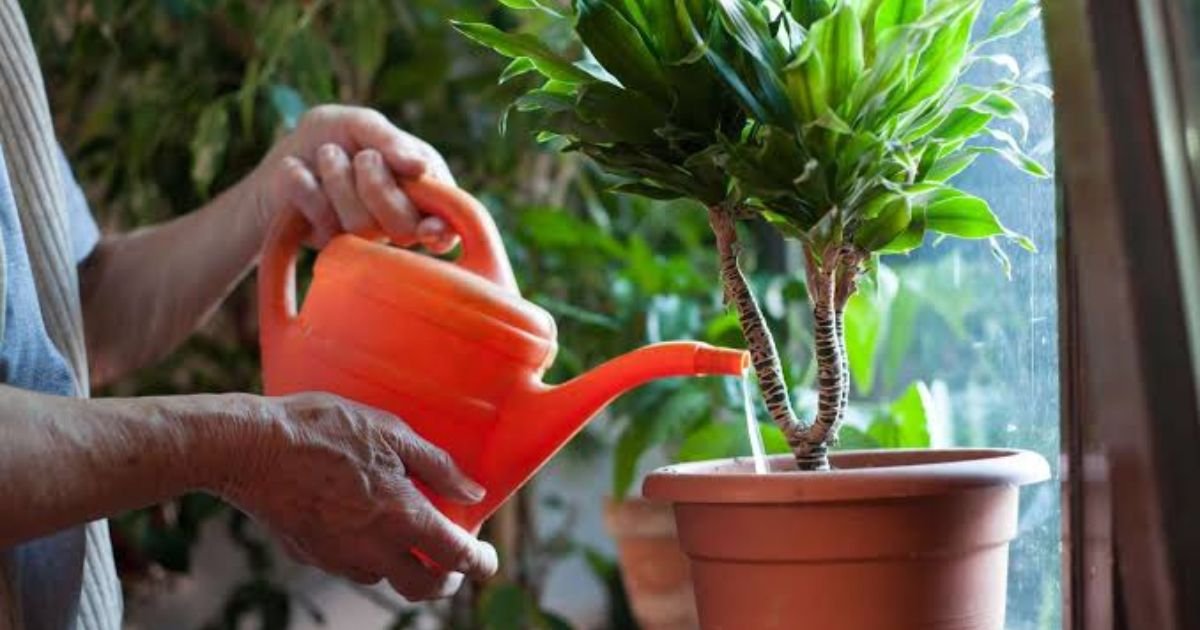
Water is essential for plant growth, but more water does not always mean healthier plants. Good watering habits help roots get the moisture they need without creating overly wet soil.
Tip 7: Check Soil Moisture Before Watering
Before reaching for the watering can, check the soil. Push your finger gently into the top layer of soil and feel whether it is still moist. If the soil feels damp, your plant may not need more water yet. This simple habit is one of the most useful practical gardening tips for avoiding unnecessary watering. Remember that different plants and growing conditions can have different moisture needs.
Tip 8: Water Deeply When Needed
When plants need water, give them enough to reach the root area rather than giving only a small amount to the surface. Deep watering can encourage roots to grow into the surrounding soil and find available moisture. Newly planted plants may need more careful attention while they become established. During hot or dry periods, plants may also need watering more often. These practical gardening tips can help you respond to actual soil conditions instead of following a fixed routine.
Tip 9: Avoid Keeping Soil Constantly Wet
Constantly wet soil can create poor conditions for roots. It may also make it harder for roots to get enough air. Allow the soil to dry to a suitable level between waterings, based on the needs of the plant. Container plants may dry faster than plants growing in garden beds, so check them regularly.
Using these practical gardening tips can make watering more thoughtful and effective. The goal is not to water more, but to water when plants actually need it.
Once watering is under control, the next step is learning how to provide the right amount of sunlight.
How to Use Sunlight Effectively
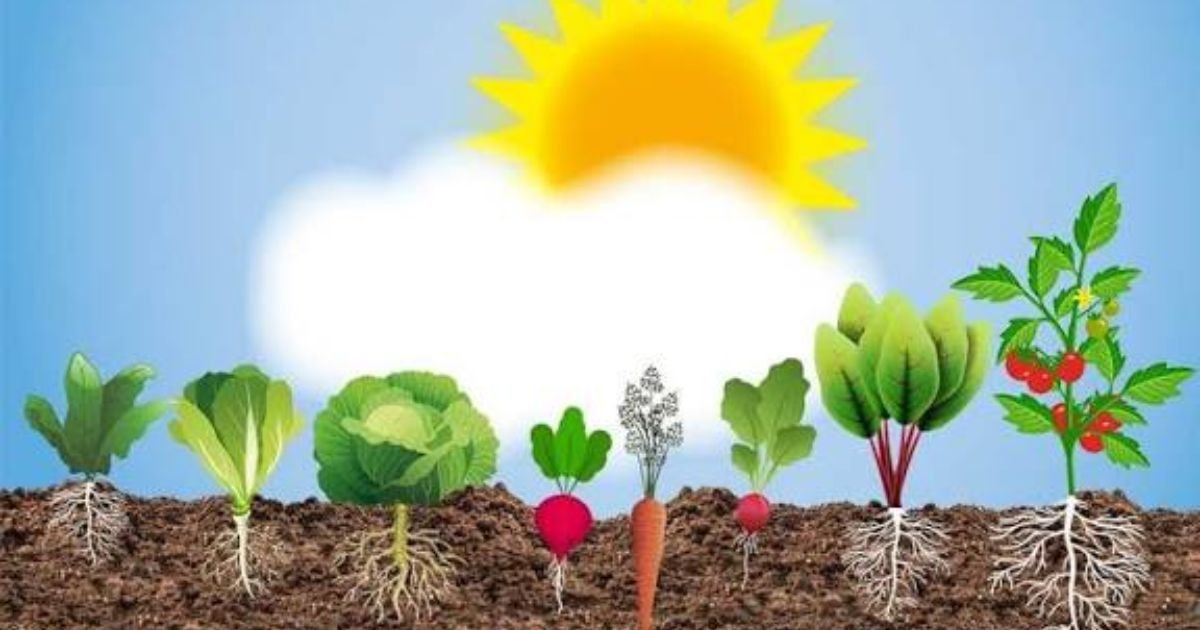
Sunlight gives plants the energy they need to grow, but every plant does not need the same amount of light. Understanding your plants’ light needs can help you choose better locations and avoid common growing problems.
Tip 10: Understand Your Plant’s Sunlight Needs
Start by checking how much sunlight your plant needs. Some plants grow best in full sun, while others prefer partial shade or shade. A plant that needs several hours of direct sunlight may struggle in a dark corner. Likewise, a shade-loving plant may suffer when placed in strong, direct sunlight. Knowing these needs is one of the most important practical gardening tips for choosing the right location.
Tip 11: Observe Sunlight Patterns in Your Garden
Do not assume that one area receives the same light all day. Watch your garden at different times and notice where sunlight falls in the morning, afternoon, and evening. Trees, walls, fences, and nearby buildings can create changing shadows. Seasonal changes can also affect how much sunlight reaches a growing area. These practical gardening tips help you understand the real conditions before moving or planting anything.
Tip 12: Match Plants With Suitable Light Conditions
Once you understand the light available, place plants where their needs match the conditions. For example, a vegetable that needs plenty of sunlight should be grown in a brighter area, while a shade-tolerant plant may perform better where afternoon sun is limited. Matching plants with suitable light can support healthier growth and reduce unnecessary stress.
Using these practical gardening tips can help you make better use of the sunlight already available in your garden. Good placement is often a simple way to improve plant growth without adding extra work.
Next, we will look at how to feed plants properly without creating nutrient problems.
How to Feed Plants Without Creating Problems
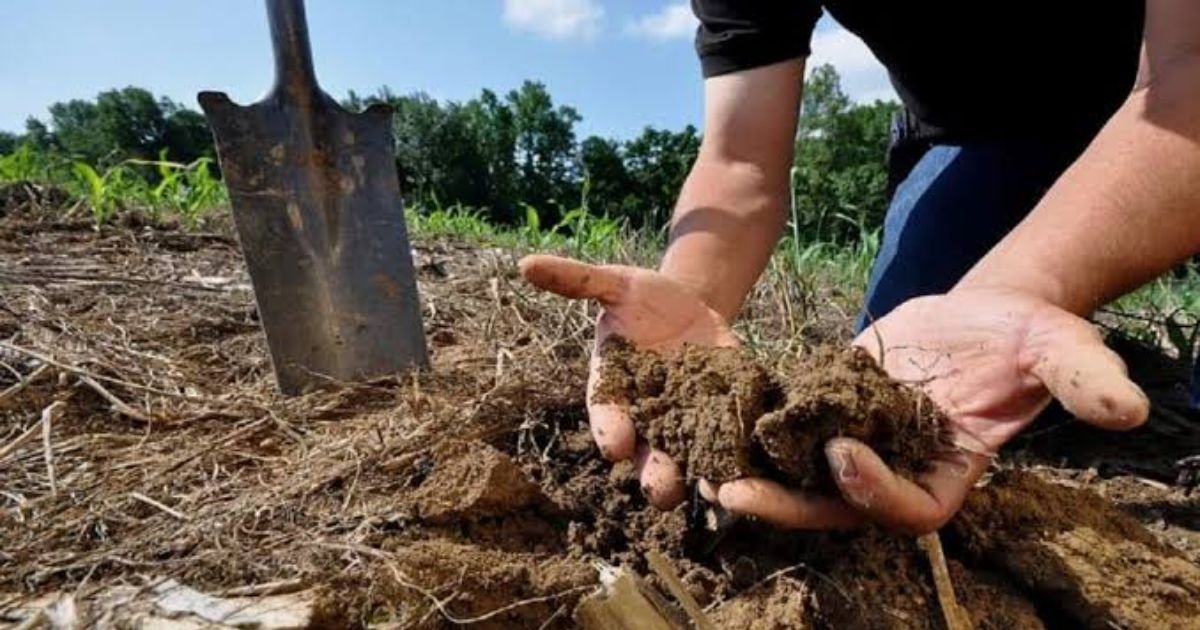
Plants need nutrients to grow, but feeding them too much can create new problems. Good fertilizing is about giving plants what they need at the right time and in the right amount.
Tip 13: Learn Your Plants’ Nutrient Needs
Different plants can have different nutrient needs. Before adding fertilizer, learn what your plants require for healthy growth. Soil condition, plant type, and growth stage can all affect nutrient needs. Avoid adding fertilizer simply because a plant looks weak. The real cause may be poor watering, unsuitable sunlight, or another growing problem. Understanding the reason first is one of the most helpful practical gardening tips.
Tip 14: Follow Fertilizer Instructions
Always read the fertilizer label before using a product. Follow the recommended amount and application instructions. Using more fertilizer does not automatically produce faster or stronger growth. Too much fertilizer can harm plants and may create an unhealthy soil environment. These practical gardening tips can help you avoid overfeeding while giving plants appropriate nutrients.
Tip 15: Use Compost or Organic Matter Wisely
Compost and other suitable organic matter can be useful additions to a garden. They can help improve soil structure and add organic material. However, they should still be used thoughtfully. Adding large amounts without considering the existing soil can create an imbalance. Start with a reasonable amount and observe how your garden responds.
Using these practical gardening tips can help you feed plants more carefully and avoid unnecessary fertilizer problems. Healthy feeding works best when it supports good soil and proper plant care rather than trying to replace them.
Next, we will look at simple ways to prevent common gardening problems before they become harder to manage.
How to Support Stronger Growth Throughout the Season

Garden care does not stop after planting. Plants continue to change as they grow, so regular attention can help you respond to their needs at the right time.
Tip 19: Monitor Plant Growth Regularly
Take a few minutes to look at your plants regularly. Notice new leaves, changes in size, flower development, and overall plant strength. Regular observation can help you understand what is working and what may need attention. One of the most useful practical gardening tips is to notice changes before they become bigger problems.
Tip 20: Remove Competing Weeds
Weeds can compete with garden plants for water, nutrients, sunlight, and space. Remove them carefully when you notice them, especially while they are still small. Regular weeding can make garden maintenance easier and give your plants more room to grow. These practical gardening tips can help keep the growing area more manageable throughout the season.
Tip 21: Support Tall or Weak Plants
Some plants become tall or heavy as they grow and may need support. Use suitable stakes, trellises, or other gentle supports when needed. Secure plants carefully without tying them too tightly. Providing support at the right time can help prevent stems from bending or breaking.
Tip 22: Adjust Care as the Season Changes
Plant needs can change with temperature, rainfall, daylight, and growth stage. A watering routine that worked earlier may not be suitable later. Keep observing your garden and adjust your care when conditions change. Good practical gardening tips are not always about following one fixed routine. They are about paying attention and making sensible changes.
Using these practical gardening tips can help plants stay supported as the growing season continues. Regular observation and small adjustments can make everyday gardening easier and more effective.
Next, we will look at ways to improve your garden and work toward better harvests.
How to Improve Your Garden for Better Harvests
A better garden is built through observation, patience, and small improvements. You do not need to change everything at once to get better results.
Tip 23: Review What Is Working
At the end of a growing period, look at what worked well in your garden. Think about which plants grew strongly, which areas performed better, and which care habits gave good results. You can also note problems that appeared during the season. Reviewing your experience is one of the most useful practical gardening tips because it helps you make better choices next time.
Tip 24: Make Small Improvements
Use what you learned to make simple changes. You might improve the growing space, adjust plant spacing, choose a more suitable location, or improve your soil preparation. Small changes can make garden care easier over time. There is no need to make many changes at once. Focus on one or two areas that need the most attention. These practical gardening tips can help you improve your garden step by step.
Tip 25: Keep Learning From Your Garden
Every growing season can teach you something new. Plants respond to weather, soil, sunlight, watering, and daily care in different ways. Pay attention to these changes and use your observations to guide future decisions. Keeping simple notes about planting dates, growth, problems, and harvests can also help you compare results.
These practical gardening tips show that better harvests are not based on one single action. Healthy plants need suitable conditions and consistent care. When you observe your garden and make thoughtful improvements, you can become a more confident gardener.
Most importantly, remember that gardening is a learning process. Each season gives you another opportunity to understand your plants, improve your methods, and create a healthier, more productive garden.
Frequently Asked Questions
What are the most important practical gardening tips for beginners?
Start with the basics: choose a suitable growing space, prepare the soil, provide the right sunlight, water carefully, and observe your plants regularly. These simple habits can create better growing conditions.
How often should I water my garden plants?
There is no single watering schedule for every plant. Check the soil moisture before watering and consider the plant type, weather, soil, and growing location. Water when the plant needs moisture rather than following a fixed routine.
How can I tell if my plants are getting too much water?
Constantly wet soil, weak growth, or other changes in plant condition may indicate a watering problem. Check the soil before adding more water and make sure excess water can drain properly.
How much sunlight do garden plants need?
It depends on the plant. Some plants need full sun, while others grow better in partial shade or shade. Check the plant’s recommended light conditions before choosing its location.
Should I use fertilizer every time I water my plants?
No. Fertilizer should be used according to the plant’s needs and the product instructions. Using too much fertilizer can create problems, so avoid feeding plants without a clear reason.
Is compost good for garden soil?
Compost can be useful because it adds organic matter and can support better soil structure. However, it should be used wisely and in a suitable amount for your garden.
How can I prevent common gardening problems?
Inspect your plants regularly and look for unusual changes in leaves, stems, or growth. Keeping the garden clean and allowing suitable airflow can also help reduce some common problems.
Why is plant spacing important?
Plants need enough room for their roots, leaves, and overall growth. Proper spacing can reduce crowding and help plants use available sunlight, water, and nutrients more effectively.
How can I get better harvests from my garden?
Better harvests depend on several factors, including suitable plants, healthy soil, proper watering, enough sunlight, and regular care. Review what works in your garden and make small improvements each season.
What is the best way to become a better gardener?
Keep observing and learning from your garden. Notice what works, record important changes, and adjust your care when conditions change. Consistent attention and small improvements can help you become a more confident gardener.
Conclusion
Growing healthier plants starts with simple habits and thoughtful care.
These 25 practical gardening tips can help you make better garden decisions.
From soil and watering to sunlight and plant support, every step matters.
Small changes can create better growing conditions and stronger plants.
Remember that every garden is different, and improvement takes time.
Observe your plants, learn from each season, and adjust your care when needed.
