

Grow and care for plants the right way, and you can turn struggling plants into healthy, thriving greenery. You do not need to be an expert gardener—understanding a few simple plant needs can completely change the way you garden.
Every healthy garden starts with the right care, but many beginners make the same mistake: they give plants more attention without knowing what those plants actually need. Learning how to grow and care for plants helps you make smarter choices from the beginning. Good soil, proper watering, enough sunlight, and the right nutrients all play an important role in healthy growth. Simple tasks like pruning can also improve plant shape and remove weak or damaged growth. Knowing how to spot common pests can help protect your plants before small problems become serious.
Smart gardening is not about doing more work. It is about understanding your plants and making better choices. GardensRoot provides practical guidance to help you care for plants, avoid common gardening mistakes, and build better gardening habits. Whether you grow flowers, vegetables, indoor plants, or a backyard garden, these simple tips can help you become a more confident gardener
How to Read Your Plants and Understand What They Need
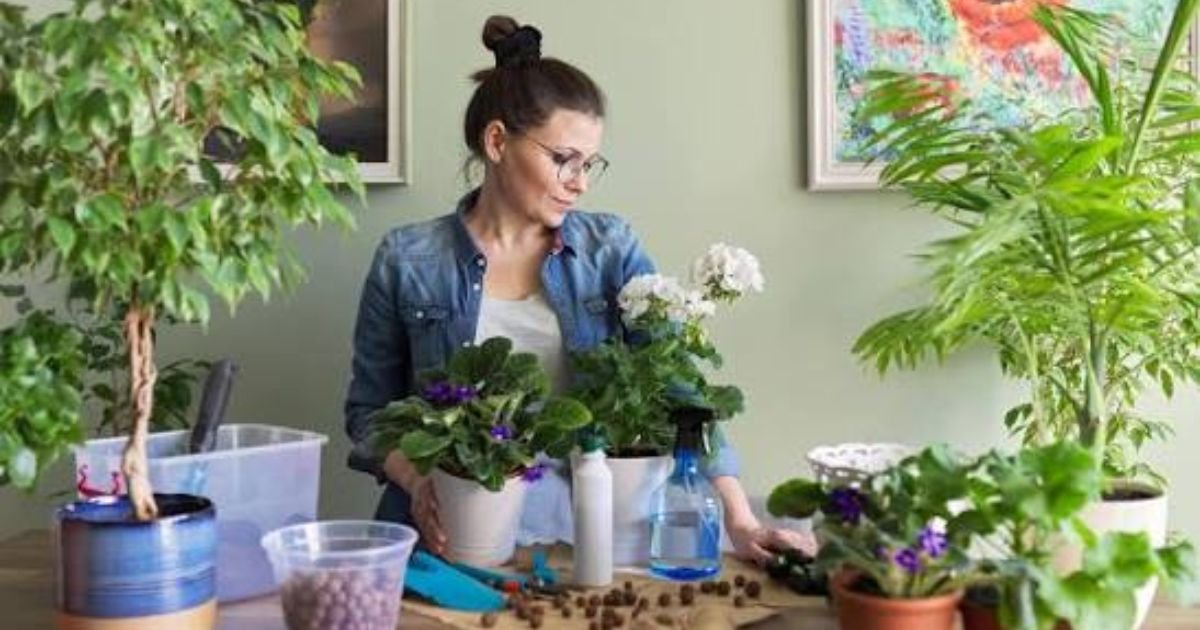
Before you change anything, take a close look at your plant. Your plants can often show you when something is wrong, but you need to learn how to read their signals.
Drooping or wilted leaves may mean the plant needs water, but they can also appear because of heat, root problems, or other stress. Yellow leaves may be linked to watering issues, while brown or crispy edges can appear when a plant is too dry or exposed to harsh conditions. Slow growth, pale or stretched leaves, and spots, holes, or damaged leaves can also tell you that the plant needs closer attention.
The important thing is not to guess too quickly. Check the soil moisture, sunlight, drainage, temperature, and recent changes in care before taking action. For example, imagine a plant with drooping leaves. Instead of watering it immediately, check the soil first. If the soil is already wet, adding more water could make the problem worse. The gardener should then look at drainage and other growing conditions.
Make plant observation part of your regular plant care routine. Check the leaves, feel the soil, and notice changes in growth before making a decision. With patience and practice, you can understand plant needs more clearly and make smarter choices. Once you know what your plants are telling you, the next step is choosing plants that fit your garden and lifestyle.
How to Choose Plants That Fit Your Garden and Lifestyle
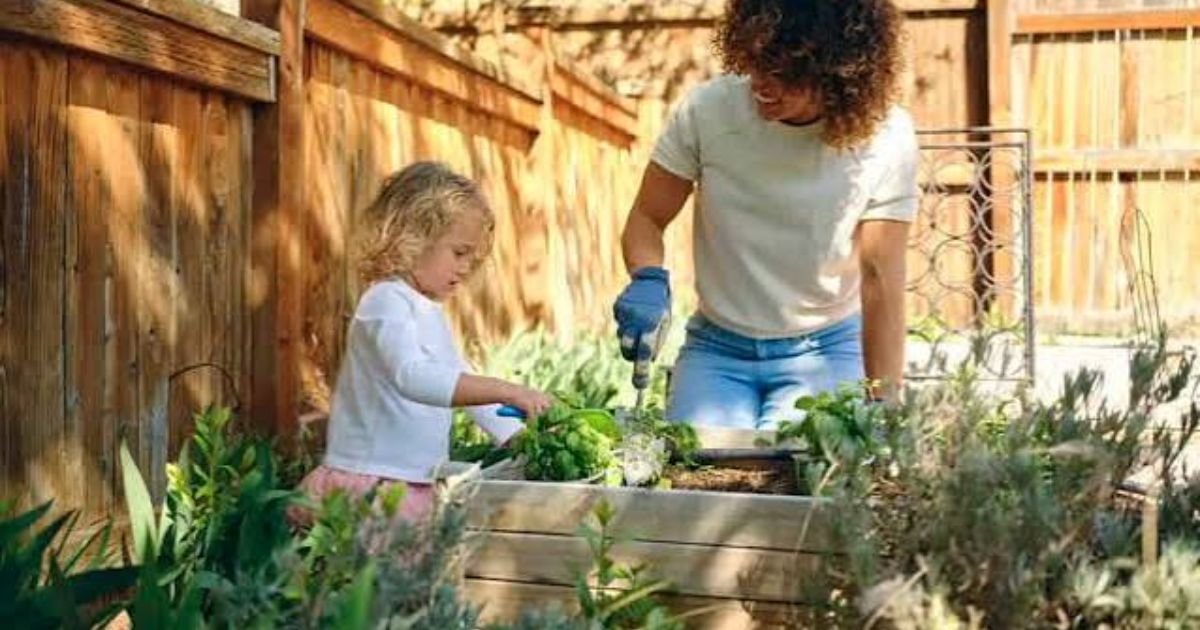
Choosing the right plant before you buy it can save time, money, and frustration. When you grow and care for plants that match your space and lifestyle, daily gardening becomes much easier.
The best plant is not always the most beautiful or popular choice. It should fit your available sunlight, garden space, local climate, and the amount of time you can give to plant care. Before buying, check whether the plant needs full sun, partial shade, or shade. Full-sun plants usually need several hours of direct sunlight, while shade-loving plants can struggle in strong direct light. Also consider the plant’s mature size, especially when choosing plants for containers or small gardens.
Your soil and drainage also matter, but think about your personal routine too. If you have little time for gardening, choose plants with simple care needs. For example, someone with a small sunny balcony should look for a compact plant that suits containers and bright conditions. A gardener with a large backyard may have more space for plants that grow bigger.
Always read the plant label or ask nursery staff about its growing conditions before purchasing. Good choices make it easier to grow and care for plants and support healthy growth. When you grow and care for plants suited to your garden, you can spend less time solving avoidable problems. As you learn to grow and care for plants, the next step is creating the right growing environment before planting.
How to Build a Better Growing Environment Before Planting

A little preparation before planting can give your plants a much stronger start. If you want to grow and care for plants successfully, first make sure their growing environment is ready for them.
Begin by looking at the planting area carefully. Notice how much space is available, where sunlight and shade fall during the day, and whether strong winds could affect the plants. Check the soil condition and make sure excess water can drain away. Poor drainage can leave roots sitting in water and create unhealthy growing conditions. For containers, always use pots with proper drainage holes.
Next, remove weeds, dead plant material, and obvious debris from the area. This creates a cleaner space for new plants. If the soil needs improvement, adding suitable organic matter can help improve its structure and support better growing conditions. Give plants enough room to reach their mature size instead of placing them too close together.
For example, before planting a small container garden, a beginner can choose a suitable pot, check its drainage holes, clear away old material, and prepare the growing medium. These simple steps create a better foundation to grow and care for plants.
When you grow and care for plants, the environment around them matters as much as the care you provide. Preparing the space first can make plant care easier and support healthy growth. Once you grow and care for plants in a suitable environment, the next skill is learning when they really need water.
How to Know When Your Plants Really Need Water
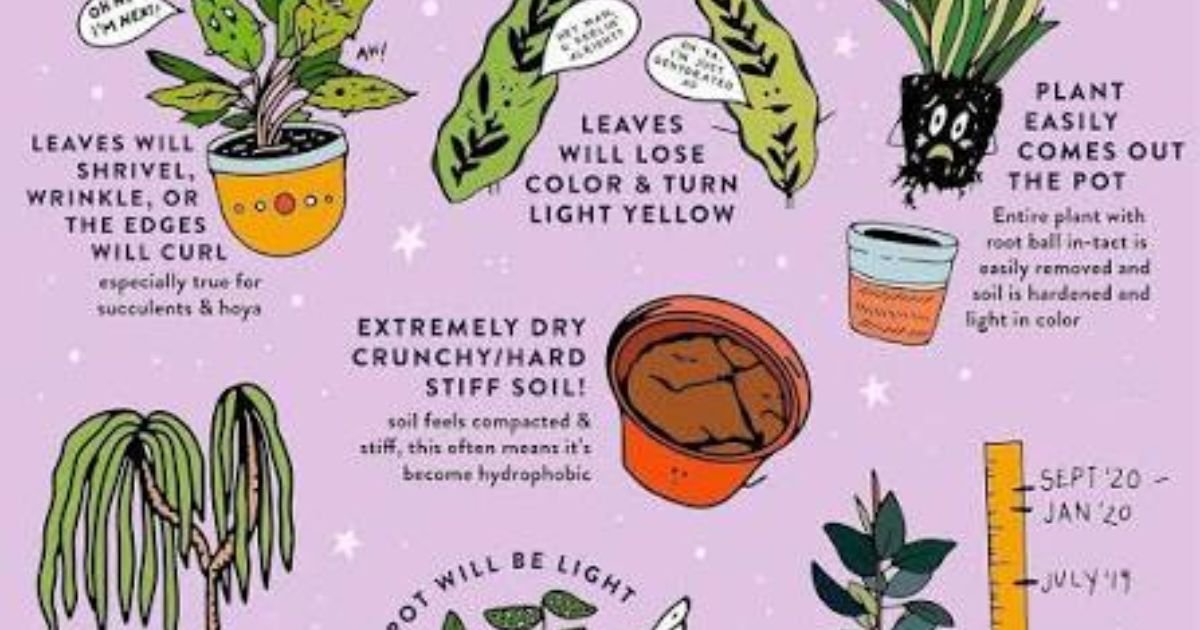
Watering your plants on the same schedule every day may seem simple, but it is not always the best approach. When you grow and care for plants, you need to pay attention to their changing needs and growing conditions.
Start by checking the soil before you water. Gently place your finger into the top layer of soil and feel whether it is still moist or has become dry. Dry soil, drooping leaves, dry or crispy leaves, and slow growth can be signs that a plant needs more water. However, drooping does not always mean the soil is dry. Check the soil and other conditions before adding more water.
Watering needs can change based on the plant type, container size, temperature, sunlight, soil, and whether the plant is indoors or outdoors. A small container in a warm, sunny place may dry faster than a larger pot in a cooler location. For example, if a gardener notices drooping leaves, they should check the soil first. If it feels moist, they can wait and observe instead of watering immediately.
Too much water can also create problems. Overwatering can leave the soil overly wet and make it harder for roots to stay healthy. Learning to check soil moisture helps you grow and care for plants with greater confidence. If you want to grow and care for plants successfully, make “check before you water” a regular habit. Next, let’s see how sunlight can encourage stronger plant growth.
How to Use Sunlight to Encourage Stronger Plant Growth
Sunlight is one of the most important things plants need to grow strong, healthy, and full of life. When you grow and care for plants, understanding their light needs can help you avoid weak growth and damaged leaves.
Plants use sunlight to make the energy they need for healthy growth. However, not every plant needs the same amount of light. Full-sun plants usually need several hours of direct sunlight each day. Partial sun or partial shade means the plant gets some direct light but also receives shade during part of the day. Shade plants need less direct sunlight and often do better in softer or filtered light.
Before you grow and care for plants in a new space, watch how sunlight moves across your garden, balcony, or room. Notice which areas receive bright morning light, strong afternoon sun, or gentle filtered light. This simple observation can help you place plants in more suitable spots.
Plants can also show signs when the light is not right. Pale or stretched growth may mean a plant is not getting enough light. Fading or scorched leaves can happen when a plant receives too much strong sunlight.
For example, if a houseplant has been sitting in a dark corner, move it closer to a brighter window gradually instead of placing it in strong sunlight all at once. This gives the plant time to adjust. As you grow and care for plants, learning to notice these light signals will make your decisions easier.
Good sunlight habits help you grow and care for plants with greater confidence. Once light is balanced, the next step is learning how to provide nutrients without causing problems.
How to Feed Plants Without Causing Nutrient Problems
Plants need the right nutrients to build healthy leaves, strong roots, and beautiful flowers. When you grow and care for plants, feeding them correctly can support healthy growth without creating new problems.
Plants mainly use nutrients such as nitrogen, phosphorus, and potassium. Nitrogen supports leafy growth, phosphorus helps with roots and flowers, and potassium supports overall plant strength. You do not need to become a plant expert to understand these nutrients. A basic fertilizer label can help you choose the right product for your plant.
Compost and other organic materials can also add nutrients and improve the growing environment. Commercial fertilizers provide nutrients in specific amounts and can be useful when plants need extra feeding. However, more fertilizer does not always mean better growth. Too much can damage roots, cause brown or burned leaf edges, and create nutrient problems.
If you grow and care for plants, always follow the instructions on the fertilizer label. Avoid adding extra simply because you think your plant will grow faster. Different plants may also need different feeding schedules depending on their type and stage of growth.
For example, a beginner may decide to feed a plant every week. Instead of guessing, they can check the product label and use only the recommended amount. They can then watch how the plant responds before adding more.
Learning to grow and care for plants means knowing when to feed and when to leave your plants alone. With careful feeding, you can grow and care for plants without unnecessary nutrient problems. Once your plants have the nutrients they need, the next skill is learning how to prune them with confidence and purpose.
How to Prune Plants With Confidence and Purpose
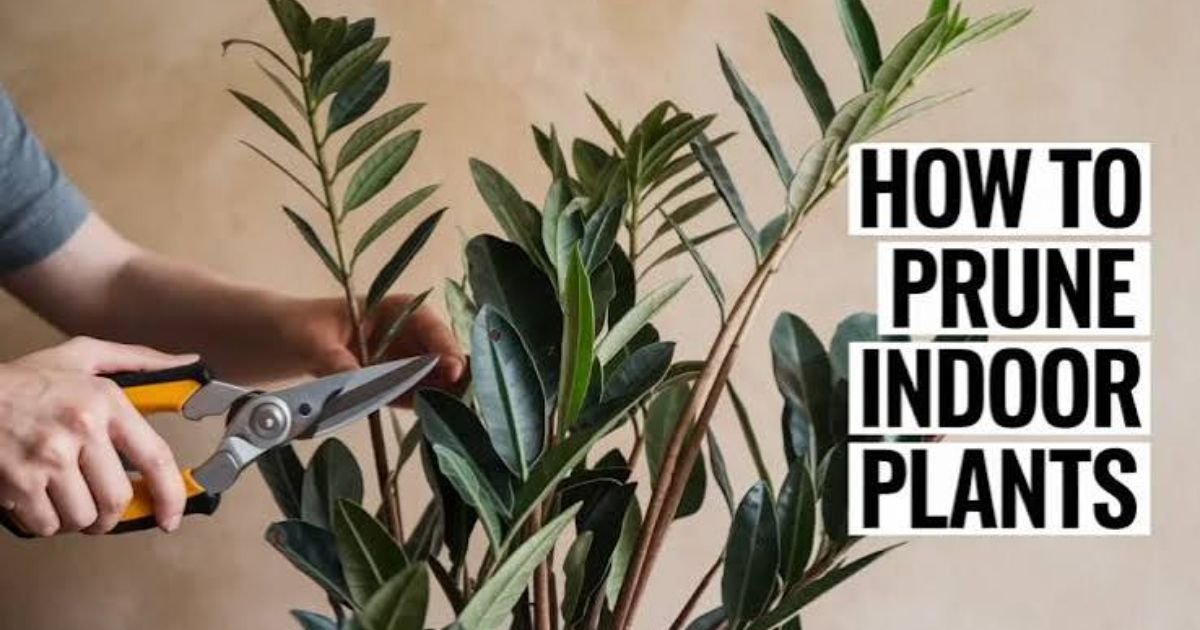
Pruning is not simply about cutting branches; it is about helping a plant stay healthy, balanced, and well-shaped. When you grow and care for plants, thoughtful pruning can make a big difference in their appearance and overall condition.
Start by looking closely at the plant before making any cuts. Remove dead, damaged, or weak growth first. You can also remove branches that cross each other or grow in unwanted directions. This can improve the plant’s shape and allow better airflow between its branches and leaves.
When you grow and care for plants, avoid cutting randomly. Think about why you are making each cut and where the cut should be made. Use clean, suitable pruning tools that can make clean cuts. Dirty or unsuitable tools can increase the chance of spreading problems from one plant to another.
Remember that not every plant should be pruned in the same way. Some plants need regular trimming, while others need very little pruning. It is helpful to learn the basic needs of the specific plant before removing a large amount of growth.
For example, if you notice a dead branch on a flowering plant, you can carefully remove that branch rather than cutting healthy growth around it. Make only the cuts that are needed, and avoid removing too much at one time. Heavy pruning can stress a plant and slow its recovery.
As you grow and care for plants, confident pruning comes from careful observation and practice. These simple habits can help you grow and care for plants with greater purpose and control. After learning how to prune, the next important skill is spotting early signs of plant stress and pests.
How to Spot Early Signs of Plant Stress and Pests
Small changes in a plant can be an early warning that something needs attention. When you grow and care for plants, noticing these signs early can help prevent small problems from becoming harder to manage.
Plant stress may appear in many ways. You might notice yellowing or curling leaves, unusual spots, holes, sticky residue, wilting, or sudden slow growth. However, one symptom does not always have one cause. A yellow leaf, for example, may have several possible reasons, so it is better to inspect the plant carefully before deciding what is wrong.
Pests can also leave visible clues. Aphids, spider mites, and caterpillars may damage leaves or leave signs around the plant. When you grow and care for plants, check both the top and underside of leaves. Look closely at stems, leaf joints, and nearby surfaces where small insects may hide.
For example, imagine you notice several small holes appearing on a plant’s leaves. Instead of immediately using a treatment, look closely at both sides of the leaves and along the stems. You may find caterpillars, insects, or another clue that helps explain the damage.
Early observation gives you a better chance to understand the problem before it spreads. As you grow and care for plants, make regular plant checks part of your routine. Learning to grow and care for plants means responding thoughtfully instead of reacting too quickly.
Once you can recognize early warning signs, you are better prepared to correct common plant-care mistakes before they become bigger problems.
How to Fix Common Plant-Care Mistakes Before They Get Worse
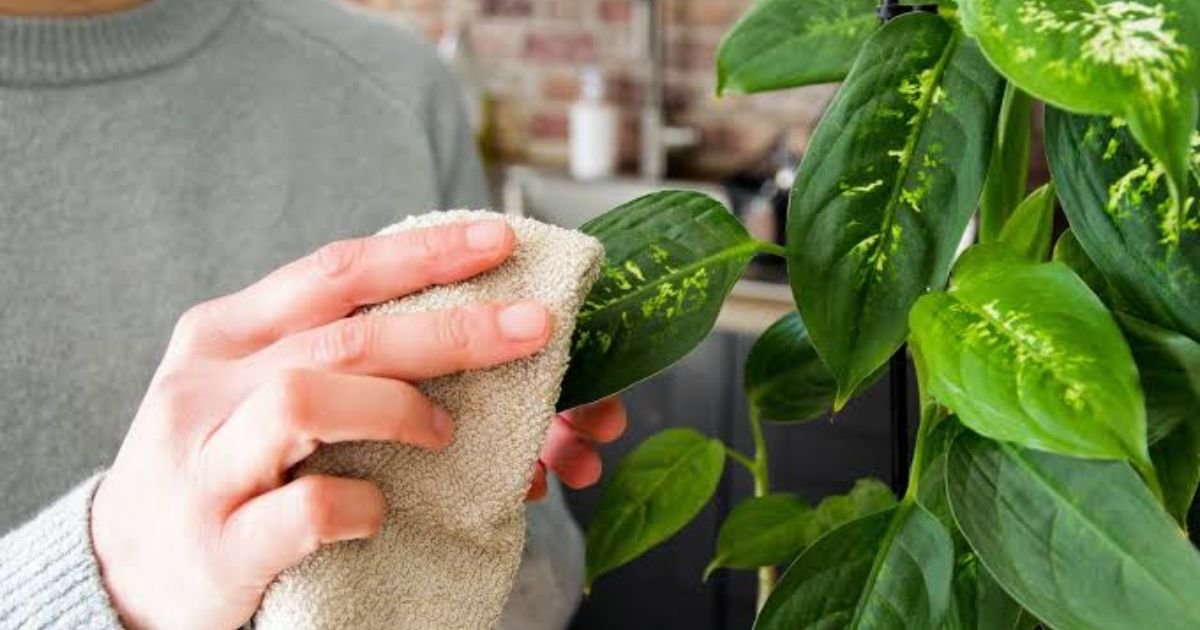
Even careful gardeners make mistakes, but noticing them early can protect plants from bigger problems. When you grow and care for plants, learning how to correct mistakes calmly is just as important as getting things right.
Common mistakes can include changing plant care too often, ignoring early warning signs, overcrowding plants, using too much fertilizer, or making sudden changes. The biggest mistake is often trying to fix everything at once. When several things are changed together, it becomes difficult to know what actually helped the plant.
Instead, take a moment to understand the situation. Make one reasonable adjustment and give the plant some time to respond. Keep a simple note about important changes, such as when you moved, fed, or checked a plant. This can help you notice patterns and make better decisions as you grow and care for plants.
For example, imagine a gardener notices that a plant is struggling. They suddenly move it, add fertilizer, change their care routine, and make other adjustments on the same day. If the plant improves or becomes worse, they may not know which change caused the result. A slower approach makes the situation easier to understand.
Do not panic when a plant looks unhealthy. Give it reasonable time to respond after making a change, while continuing to observe it. If a problem keeps returning or becomes serious, consider asking a local nursery, gardening expert, or trusted plant-care resource for guidance.
As you grow and care for plants, mistakes become useful learning opportunities. With patience, you can grow and care for plants more confidently and avoid repeating the same problems. Next, let’s explore simple, sustainable habits that can help you garden smarter.
How to Garden Smarter With Simple, Sustainable Habits
Smarter gardening is not about doing more work; it is about making thoughtful choices that save effort and reduce unnecessary waste. When you grow and care for plants, small sustainable habits can make your garden easier to manage over time.
Sustainable gardening simply means caring for your garden in a way that uses resources wisely. You can start by reusing suitable materials, reducing waste, composting plant-friendly organic material, and choosing durable tools that can last for years. Caring for healthy plants instead of replacing them unnecessarily can also reduce waste.
As you grow and care for plants, take time to observe your garden and plan your tasks. Good planning can help you avoid buying supplies you do not need or spending extra time fixing preventable problems. When practical, use what you already have before purchasing something new.
For example, suitable kitchen-friendly organic scraps can be added to a compost system instead of being thrown away. You might also reuse a clean, suitable container for a plant if it is strong enough and has proper drainage. Simple choices like these do not require a large budget or complicated equipment.
Sustainable gardening should feel manageable, not stressful. You can grow and care for plants more responsibly by making one small improvement at a time. Over time, these habits can help you save resources, reduce waste, and make your gardening routine more enjoyable.
When you grow and care for plants with patience and thoughtful habits, every small choice becomes part of a better gardening journey. Now that you understand these practical plant-care principles, let’s bring the key lessons together in the conclusion.
Frequently Asked Questions
What is the best way to grow and care for plants?
The best way to grow and care for plants is to understand what each plant needs and observe it regularly. Good plant care includes suitable growing conditions, proper attention, and making changes when the plant shows signs of stress.
How often should I check my plants?
You should check your plants regularly, but you do not need to inspect them constantly. A quick check can help you notice changes in leaves, growth, or overall appearance before a small problem becomes serious.
How can I tell if a plant is stressed?
Yellowing leaves, curling leaves, unusual spots, holes, sticky residue, wilting, or slow growth can be signs of plant stress. These symptoms can have different causes, so inspect the plant carefully before taking action.
Can too much fertilizer harm plants?
Yes. Using too much fertilizer can damage plants and create nutrient problems. Always follow the product instructions and avoid adding extra fertilizer simply because you want faster growth.
Why is pruning important for plant care?
Pruning can remove dead, damaged, or weak growth and help improve a plant’s shape and appearance. However, different plants have different pruning needs, so avoid cutting more than necessary.
How can beginners become better gardeners?
Beginners can improve by observing their plants, learning from mistakes, and making one change at a time. As you grow and care for plants, regular practice will help you understand their needs and become more confident.
Conclusion
Learning to grow and care for plants does not have to be difficult. Healthy gardening starts with understanding your plants, observing their changes, and making thoughtful decisions instead of trying to do everything at once.
Throughout this guide, you learned how to understand plant needs, create better growing conditions, recognize sunlight requirements, provide nutrients carefully, prune with purpose, notice early signs of stress and pests, and correct common care mistakes. You also discovered how simple sustainable habits can make gardening easier and more responsible.
The most important lesson is to stay patient and keep learning. When you grow and care for plants, every season gives you a chance to understand your garden better. Small improvements can lead to better habits, stronger plants, and a more enjoyable gardening experience.
Whether you are caring for a few indoor plants, growing flowers, or managing a larger garden, you do not need to be an expert to begin. Observe, learn, adjust, and keep growing. With consistent care and a little patience, you can build the skills needed to grow and care for plants with confidence.
