
Growing healthy plants and beautiful gardens starts with more than simply putting plants in the soil. With the right knowledge, simple care, and patience, you can create a garden that is healthy, attractive, and enjoyable to care for.
Every plant has its own needs for soil, water, sunlight, nutrients, and regular care. Understanding these needs can help you avoid common gardening mistakes and make better choices from the start.
In this complete guide, you will learn how to choose the right plants, prepare healthy soil, water correctly, provide suitable sunlight, and use fertilizer carefully. You will also discover practical tips for pruning, protecting plants from common pests and diseases, and growing vegetables, flowers, and indoor plants.
At GardensRoot.com, our goal is to make gardening knowledge simple and useful for beginners and intermediate gardeners. Whether you have a small balcony, a few containers, or a larger garden, this guide will help you understand the basics and care for your plants with confidence.
Let’s explore these simple gardening practices and take the next step toward a healthier, more beautiful garden.
Understanding What Plants Need to Grow Healthy
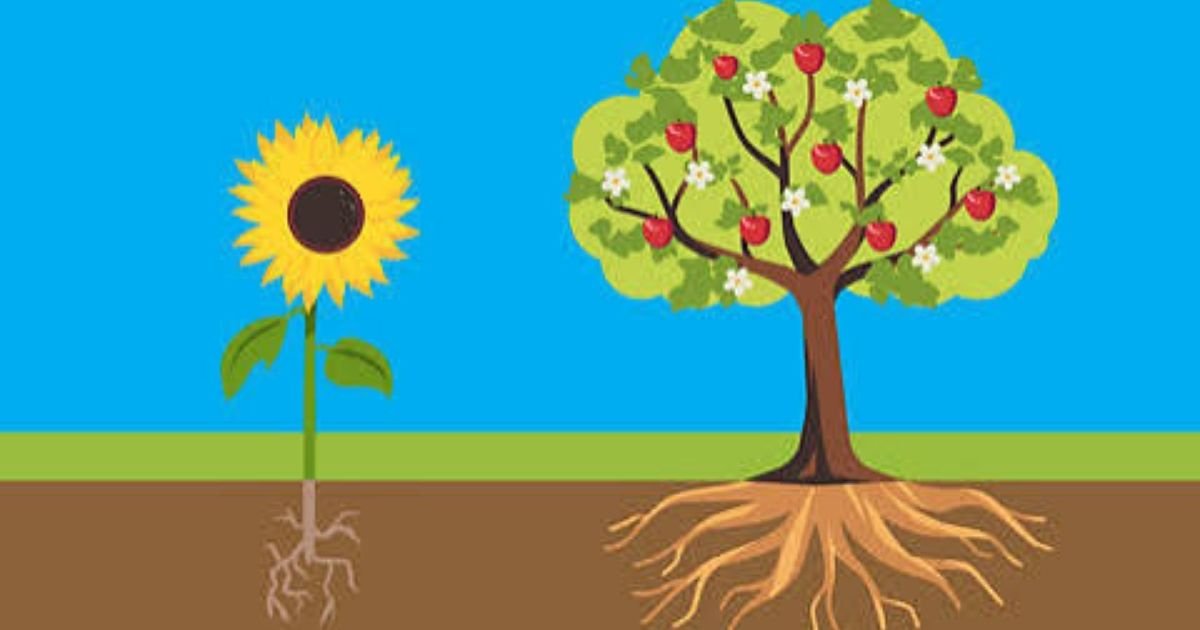
Growing healthy plants starts with understanding what they need every day. When you give plants the right balance of water, sunlight, soil, and care, they have a better chance to grow strong and healthy.
Plants need several basic things to thrive. Healthy soil gives roots support and provides important nutrients. Water helps plants stay hydrated and move nutrients through their roots and stems. However, too much water can leave roots weak or damaged. Sunlight gives plants the energy they need to grow, but the right amount depends on the plant.
Plants also need nutrients to support healthy growth. Too little nutrition may lead to weak growth, while too much fertilizer can harm the roots. Suitable temperatures are also important because extreme heat or cold can stress many plants.
Regular care helps you notice problems early. Watch for drooping leaves, yellowing leaves, dry soil, or unusual spots. These signs may tell you that a plant needs a change in its care.
Simple Plant Care Tips
- Check the soil before watering.
- Learn how much sunlight your plant needs.
- Use healthy, well-draining soil.
- Avoid adding fertilizer unless the plant needs it.
- Remove damaged leaves when appropriate.
- Check plants regularly for pests.
One common beginner mistake is treating every plant the same way. Different plants have different needs. Understanding those needs is an important part of growing healthy plants and beautiful gardens.
Once you understand the basics, the next step is choosing plants that match your garden’s conditions.
How to Choose the Right Plants for Your Garden
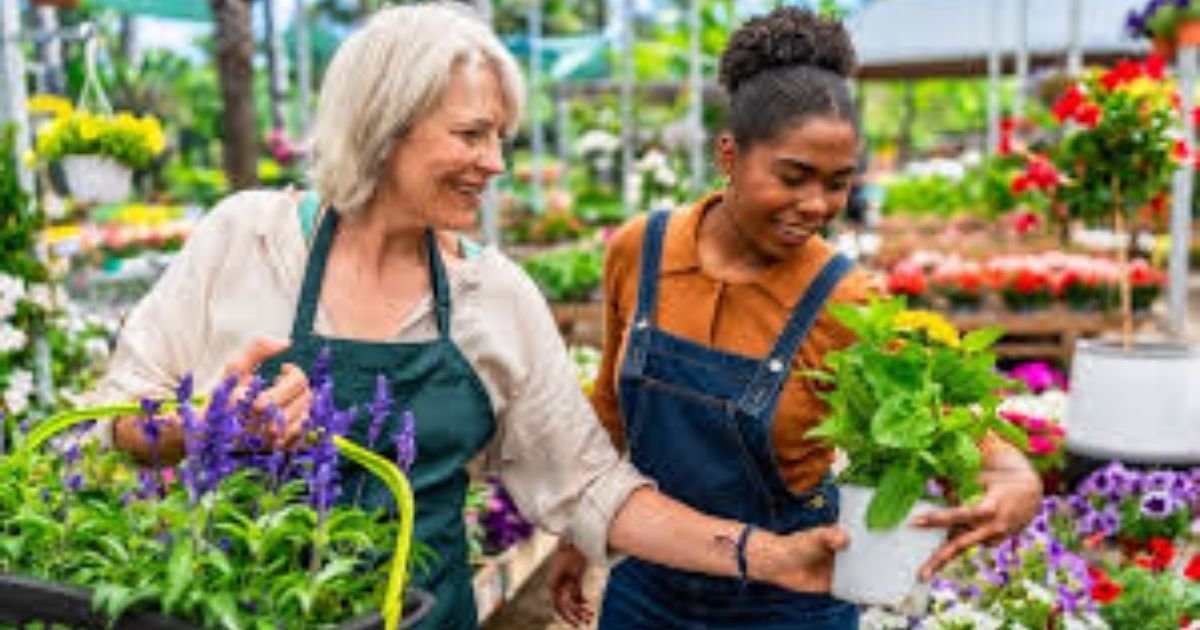
Choosing the right plants can make gardening easier and more enjoyable. When you select plants that match your garden’s conditions, they are more likely to grow well and need less correction later.
Start by observing your garden before buying anything. Check how much sunlight different areas receive. Full sun means an area gets several hours of direct sunlight. Partial shade means it gets some direct sun and some shade. Shade areas receive little direct sunlight. Choose plants that can handle the light available in each spot.
Next, consider your soil, climate, and watering conditions. Some plants prefer moist soil, while others grow better when the soil dries between watering. Choose plants that can handle your local temperatures and seasonal changes. This is especially important when growing healthy plants and beautiful gardens outdoors.
Think about the plant’s mature size too. A small plant can become much larger as it grows. Make sure there is enough space for its roots, branches, and leaves.
Simple Tips for Choosing Healthy Plants
- Look for strong stems and healthy-looking leaves.
- Avoid plants with visible pests or serious damage.
- Check the plant label for sunlight and water needs.
- Choose plants that fit your available space.
- Ask nursery staff about basic care when you are unsure.
A common mistake is choosing a plant because it looks beautiful without checking its needs. For example, a sun-loving plant may struggle in a dark corner, while a shade-loving plant may suffer in strong afternoon sunlight.
Take a little time to match each plant with the right place. This simple step can help you build a healthier and more rewarding garden.
Next, let’s look at how to prepare healthy soil for strong plant growth.
How to Prepare Healthy Soil for Strong Plant Growth
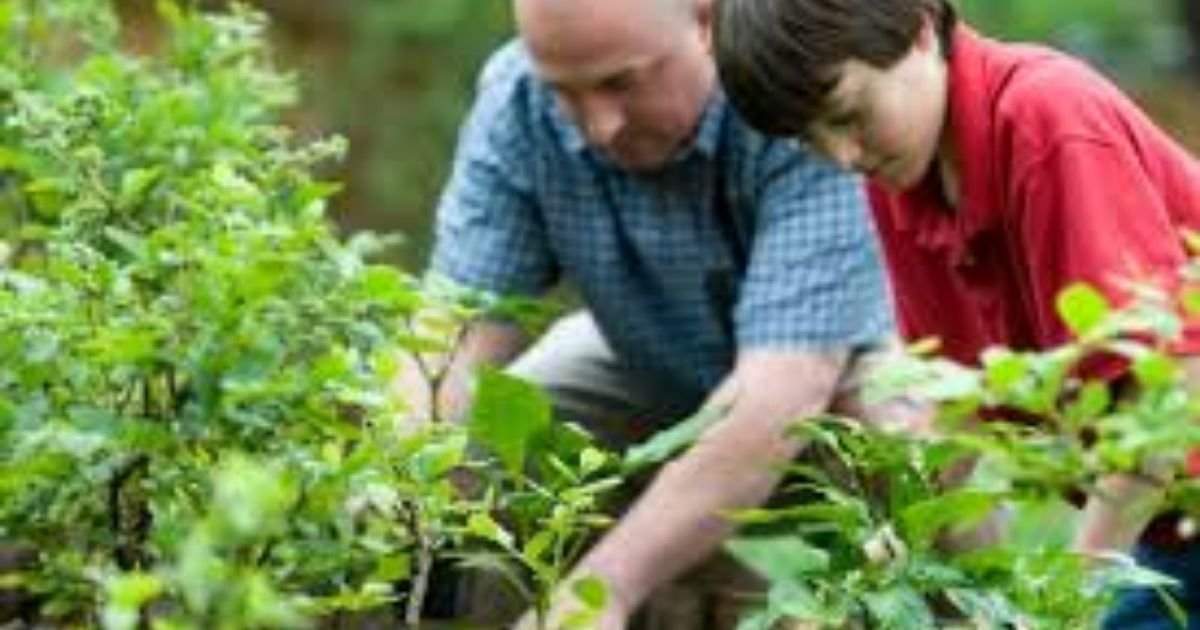
Healthy soil gives plant roots a strong place to grow and helps them access water and nutrients. Preparing your soil before planting can make a big difference in the health and strength of your garden.
Healthy garden soil should be loose enough for roots to spread and should allow excess water to drain away. Start by checking your soil with your hands. If it feels extremely hard, stays wet for a long time, or has very little organic material, it may need improvement.
Good drainage is important because water that remains around the roots for too long can reduce the air roots need and may lead to root problems. If your soil drains poorly, consider improving its structure or choosing plants that can handle moist conditions.
Adding organic matter, such as compost or well-rotted plant material, can improve soil structure and support healthy plant growth. Mix suitable organic matter into the soil before planting, following the needs of your plants.
Simple Steps to Prepare Soil
- Remove weeds, rocks, and plant debris.
- Loosen compacted soil gently.
- Add suitable compost or organic matter.
- Check that excess water can drain properly.
- Consider a basic soil test before adding fertilizer.
- Prepare container soil with a suitable growing mix.
Avoid adding large amounts of fertilizer without knowing what your soil needs. Also, avoid working very wet soil because it can become more compacted.
Remember that vegetables, flowers, and container plants may have different soil needs. Preparing the soil according to the plants you plan to grow is an important part of growing healthy plants and beautiful gardens.
With healthy soil ready, the next step is learning how to water your plants the right way for better growth.
Watering Plants the Right Way for Better Growth
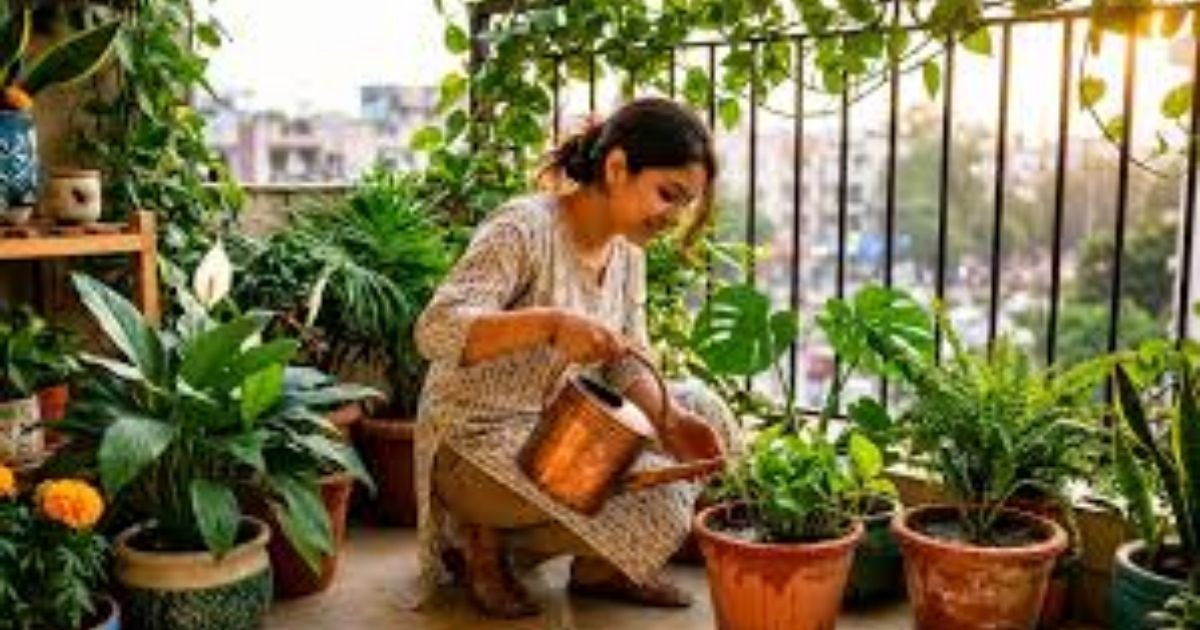
Proper watering is one of the simplest ways to support healthy plant growth. Giving plants too little or too much water can create problems, so learning when and how to water is an important part of good gardening.
Instead of watering on the same schedule every day, check the soil first. Push your finger about an inch into the soil. If it feels dry, the plant may need water. If it still feels moist, wait and check again later. The right amount of water depends on the plant, soil, weather, season, sunlight, and whether it grows in a container or in the ground.
Underwatering can cause dry soil, drooping leaves, and slow growth. Overwatering can keep the soil too wet and may damage plant roots. Newly planted plants often need closer attention while their roots become established.
Simple Watering Tips
- Water slowly so moisture reaches the root area.
- Water the soil around the plant instead of constantly wetting the leaves.
- Check container plants more often because containers can dry out faster.
- Water newly planted plants according to their needs and local conditions.
- During hot, dry weather, check soil moisture more frequently.
- After heavy rain, check the soil before adding more water.
- Reduce unnecessary watering during cooler or wetter periods.
A common mistake is giving every plant the same amount of water. Indoor plants, vegetables, flowers, and container plants can all have different needs.
Good watering habits are an important part of growing healthy plants and beautiful gardens. Once you learn to read your plants and soil, watering becomes much easier.
Next, let’s explore how to provide the right amount of sunlight for healthy plants.
Providing the Right Sunlight for Healthy Plants
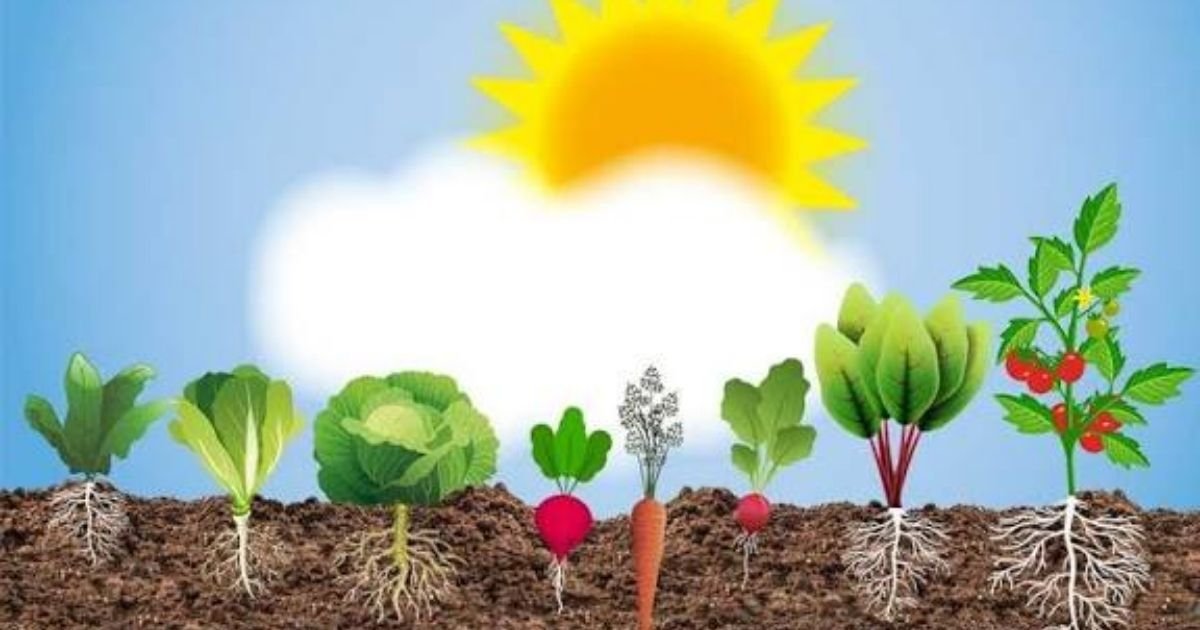
Sunlight gives plants the energy they need to grow and stay healthy. Choosing the right place for each plant can make daily care easier and help your garden thrive.
Plants use sunlight to make the energy they need for growth. However, not every plant needs the same amount of light. Full sun means a plant receives several hours of direct sunlight. Partial sun or partial shade means it receives some direct sunlight but also gets shade during part of the day. Shade means the area receives little direct sunlight.
Before planting, watch how sunlight moves across your garden. Check the area in the morning, afternoon, and later in the day. Nearby walls, trees, and buildings can change how much light reaches a spot.
Too little sunlight may cause some plants to grow slowly or become weak and stretched. On the other hand, strong direct sunlight can stress plants that prefer shade. Leaves may become dry or show signs of sun damage.
Simple Sunlight Tips
- Read the plant label before choosing a location.
- Place sun-loving plants in bright, open areas.
- Give shade-loving plants protection from strong direct sunlight.
- Rotate indoor plants when appropriate so they receive light evenly.
- Keep indoor plants near a suitable window based on their light needs.
- Remember that sunlight patterns can change between seasons.
A common mistake is placing every plant in the same sunny spot. For example, a sun-loving vegetable may do well in an open area, while a shade-tolerant plant may perform better in a protected location.
Matching plants with the right light is an important part of growing healthy plants and beautiful gardens. Once sunlight is right, the next step is learning how to provide plants with the nutrients they need without overfeeding them.
How to Fertilize Plants Without Overfeeding Them
Plants need nutrients to build healthy roots, leaves, flowers, and fruit. But more fertilizer does not always mean better growth, and using too much can harm plants and their roots.
Fertilizer is a product that supplies nutrients plants may need. Three common nutrients are nitrogen, phosphorus, and potassium. Nitrogen supports leafy growth, phosphorus helps with roots and flowers, and potassium supports overall plant functions. However, the right amount depends on the plant, soil, growth stage, and fertilizer product.
Before applying fertilizer, read the product label carefully and follow its directions. Avoid guessing the amount or applying extra because a plant looks weak. Sometimes poor growth is caused by watering, sunlight, pests, or other problems rather than a lack of nutrients.
Simple Fertilizing Tips
- Check the soil and plant needs before fertilizing.
- Follow the fertilizer label for amount and timing.
- Consider a basic soil test before adding large amounts of nutrients.
- Use compost or other suitable organic matter to support soil health.
- Avoid fertilizing plants that are badly stressed unless the product instructions recommend it.
- Keep fertilizer away from stems and leaves when the label advises this.
- Use extra care with container plants because nutrients can build up in limited soil.
Vegetables and flowering plants may have different nutrient needs. Indoor plants also vary in how often they should be fed. Always check the care instructions for the specific plant.
A common beginner mistake is thinking that extra fertilizer will make plants grow faster. Too much can create problems instead. Careful feeding is a key part of growing healthy plants and beautiful gardens.
With nutrition handled properly, the next step is learning how pruning and regular plant care can encourage healthier, fuller growth.
Pruning and Plant Care for Healthier, Fuller Growth
Regular plant care helps you notice problems early and keep your garden looking healthy. Proper pruning can also improve a plant’s shape by removing growth that is damaged, dead, or no longer useful.
Pruning means carefully removing selected branches, stems, leaves, or flowers. It is not necessary for every plant, and different plants have different pruning needs. Before cutting, learn how your specific plant grows and when it is best to prune it.
Start by looking for dead, broken, or damaged growth. These parts can usually be removed with clean, suitable pruning tools. Make clean cuts and avoid removing too much at once. Taking away too much growth can place unnecessary stress on some plants.
Simple Pruning and Care Tips
- Use clean and sharp pruning tools when appropriate.
- Remove dead or damaged growth carefully.
- Follow the pruning needs of each plant.
- Avoid cutting healthy growth without a clear reason.
- Check leaves regularly for unusual spots or damage.
- Remove fallen plant material when it may attract pests or disease.
- Keep the area around plants reasonably clean.
- Observe new growth after pruning.
The right pruning time depends on the plant. Some flowering plants are best pruned after they finish blooming, while others have different seasonal needs. Always check the specific plant before making major cuts.
Common beginner mistakes include using dirty tools, pruning at the wrong time, and cutting too much at once. Indoor plants, flowers, shrubs, vegetables, and fruiting plants may all require different care.
Good pruning and regular observation are important parts of growing healthy plants and beautiful gardens. With consistent care, you can better understand what your plants need.
Next, let’s explore simple ways to protect plants from common pests and diseases.
Simple Ways to Protect Plants From Common Pests and Diseases
Healthy plants can still face pests and diseases, but regular attention can help you notice problems early. Simple prevention and good plant care can reduce many common problems before they become serious.
Pests are insects or small creatures that can damage plants. Common examples include aphids, caterpillars, spider mites, and slugs. Plant diseases can also affect growth. Signs may include unusual leaf spots, mold, wilting, or sudden changes in leaf color.
Make a habit of checking your plants. Look under leaves, along stems, and around the soil for insects, damage, or other unusual signs. Early detection gives you more time to understand the problem and choose an appropriate response.
Simple Ways to Protect Plants
- Give plants enough space for good airflow.
- Avoid keeping soil constantly wet.
- Remove badly damaged plant material when appropriate.
- Keep fallen leaves and plant debris under control.
- Provide plants with suitable light, water, and growing conditions.
- Check indoor plants before placing them near other plants.
- Inspect vegetables and flowers regularly for early signs of trouble.
If you notice pests, identify them before choosing a treatment. For some pests, you may be able to remove them by hand or use a gentle stream of water when suitable. Removing affected leaves can also help in some situations.
For commercial pest or disease products, always read and follow the label instructions carefully. Do not use a treatment simply because a plant looks unhealthy.
Common mistakes include ignoring early warning signs, overcrowding plants, overwatering, and using treatments without knowing the cause.
Good prevention is an important part of growing healthy plants and beautiful gardens. With regular observation and careful care, you can respond to problems more thoughtfully.
Next, let’s explore how to grow vegetables, flowers, and indoor plants successfully.
Growing Vegetables, Flowers, and Indoor Plants Successfully
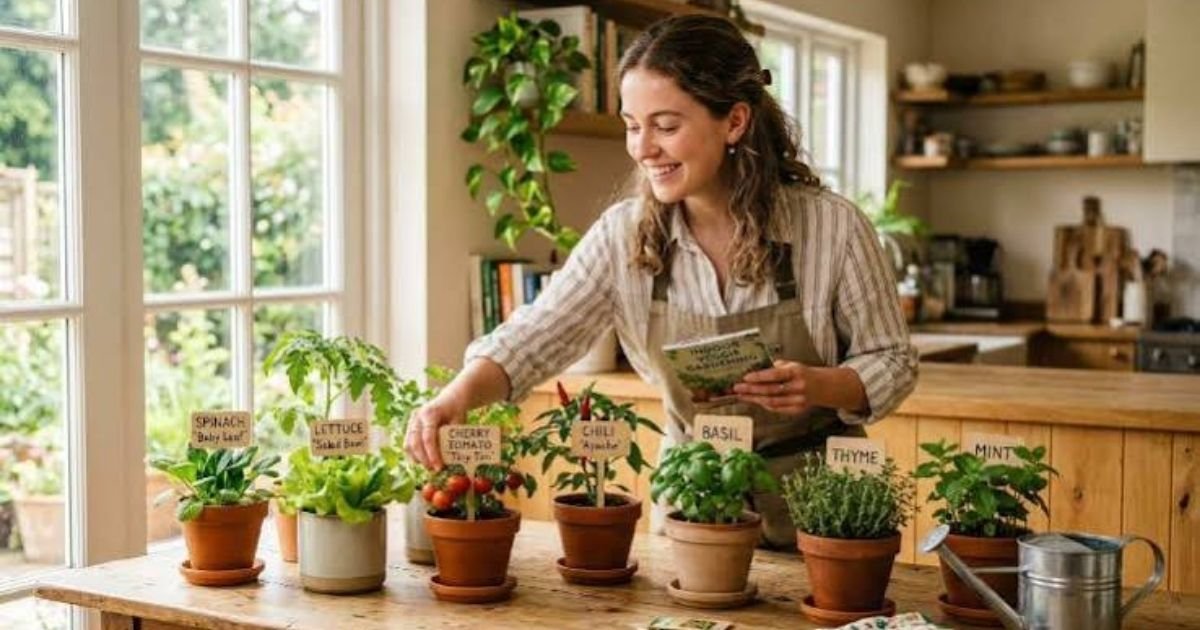
Growing vegetables, flowers, and indoor plants can make your gardening experience more useful, colorful, and enjoyable. Each type of plant has different needs, so giving every plant the same care may not produce the best results.
Growing Vegetables
Start by choosing vegetable varieties that suit your space and growing season. Give each plant enough room to develop and avoid overcrowding. Watch for changes in growth and harvest vegetables when they reach the stage recommended for that variety. Small gardens can use containers or vertical growing methods to make better use of limited space.
Growing Flowers
For flower beds, choose plants that match the available light and local growing conditions. Arrange plants according to their mature size so they have enough room to grow. Remove faded flowers when appropriate. This can help keep the garden looking neat and encourage continued flowering in some plants.
Caring for Indoor Plants
Indoor plants need suitable containers, proper drainage, and enough light for their specific needs. Check the soil before watering instead of following the same schedule for every plant. Keep indoor plants where they receive suitable light, and make sure excess water can drain from the container.
Simple Tips for All Three
- Check the specific care needs of each plant.
- Give plants enough space to grow.
- Choose varieties that suit your conditions.
- Observe plants regularly for changes.
- Adjust care as seasons and growing conditions change.
- Use containers when space is limited.
Common mistakes include overcrowding plants, choosing unsuitable varieties, ignoring drainage, and treating every plant the same.
Understanding these differences makes growing healthy plants and beautiful gardens much easier. Whether you have a balcony, windowsill, small yard, or large garden, thoughtful plant choices and regular observation can help you get better results.
Next, let’s look at how simple care and planning can bring your whole garden together.
Creating a Beautiful Garden With Simple Care and Planning
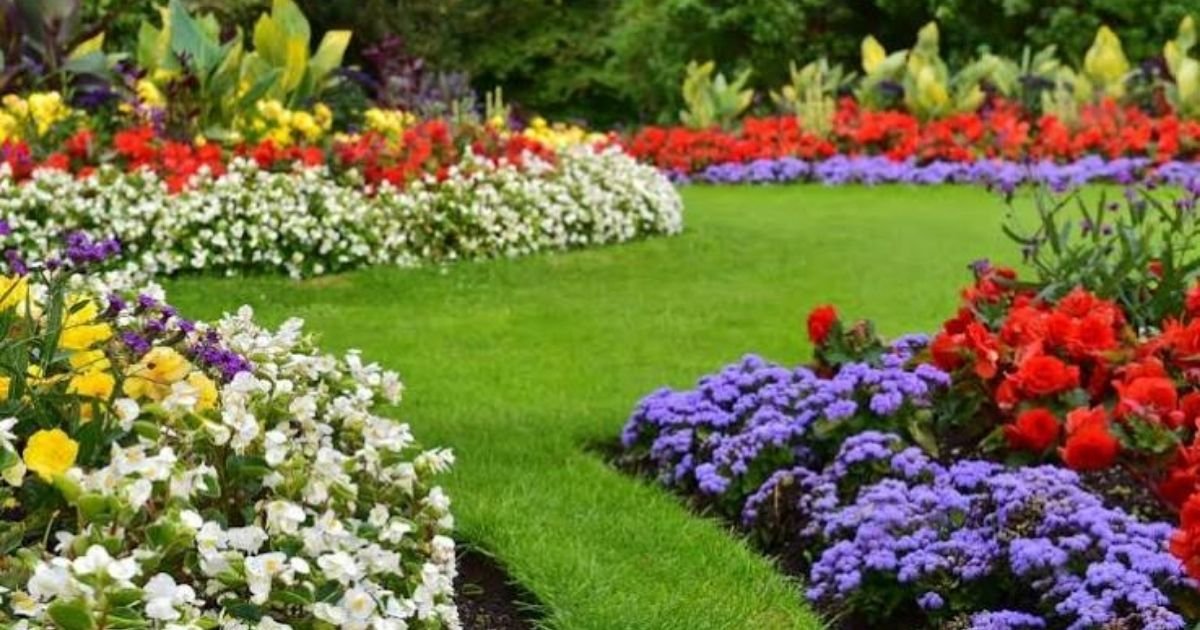
A beautiful garden starts with thoughtful planning, not with filling every empty space with plants. Simple, regular care can help you create a healthy and enjoyable garden without making the work feel overwhelming.
Before adding new plants, look at the space you already have. Consider sunlight, available room, and the mature size of each plant. Place taller plants where they will not block smaller ones. Group plants with similar care needs together so watering and maintenance become easier.
You can create balance by combining vegetables, flowers, shrubs, and container plants. Paths can make larger gardens easier to access, while borders can give planting areas a neat appearance. Containers are useful for balconies, patios, and small yards.
Simple Garden Planning Tips
- Leave enough space between plants for healthy growth.
- Group plants with similar care needs.
- Remove weeds and unwanted debris regularly.
- Check plants for changes or signs of problems.
- Keep containers clean and make sure they drain properly.
- Plan ahead for seasonal changes.
- Reuse suitable organic material when practical.
- Avoid adding unnecessary products to your garden.
You do not need to redesign everything at once. Start with one small area and improve it gradually. This approach can help you learn what works best in your space.
Common mistakes include overcrowding plants, ignoring mature plant size, planting without a plan, and choosing too many high-maintenance plants. Even a small balcony can become attractive with a few well-chosen containers, while larger gardens can benefit from clear planting zones and simple paths.
Good planning makes growing healthy plants and beautiful gardens more manageable and rewarding. With patience, observation, and consistent care, your garden can continue to improve over time.
Now that you understand the key principles of successful gardening, let’s bring everything together in the conclusion.
Frequently Asked Questions
What do plants need to grow healthy?
Plants generally need suitable soil, water, sunlight, nutrients, and a growing environment that matches their needs. Regular observation also helps you notice problems early.
How often should I water my plants?
There is no single watering schedule for every plant. Check the soil and consider the plant type, weather, season, and whether it is growing in a container or in the ground.
How do I know if my plant is getting enough sunlight?
Check the plant’s care requirements and observe its location throughout the day. Too little light may affect growth, while strong direct sunlight can stress plants that prefer shade.
How can I improve poor garden soil?
Start by checking the soil’s condition and drainage. Adding suitable compost or other organic matter can improve soil structure. A basic soil test can also help you understand important soil conditions.
Can too much fertilizer harm plants?
Yes. Using more fertilizer than recommended can cause problems. Always read the product label and follow its instructions instead of assuming that extra fertilizer will produce better growth.
When should I prune my plants?
Pruning time depends on the plant. Some plants are best pruned after flowering, while others have different needs. Learn the specific pruning requirements before making major cuts.
How can I protect my plants from pests and diseases?
Inspect leaves, stems, and soil regularly. Give plants suitable growing conditions, avoid unnecessary stress, and identify a pest or disease before choosing a treatment.
How can I make a small garden look beautiful?
Use containers, borders, and simple planting groups to organize the space. Choose plants that fit the available light and mature size, and avoid overcrowding. Even a balcony or small yard can become an attractive garden with thoughtful planning.
Final Thoughts
Growing healthy plants and beautiful gardens does not require perfection. It starts with understanding what your plants need and giving them consistent, thoughtful care.
From choosing suitable plants and preparing healthy soil to managing water, sunlight, nutrients, pruning, and pests, each small step can make your gardening experience better. The most important thing is to observe your plants, learn from your results, and make changes when needed.
At GardensRoot.com, our goal is to make gardening knowledge simple, practical, and useful for everyday gardeners. Whether you are caring for a few indoor plants, growing vegetables on a balcony, or managing a larger outdoor garden, you can continue learning and improving.
Start small, stay patient, and enjoy the process. With time and care, your garden can become a healthy and rewarding part of your home.
